Author: Admin Manager

  • Whales: Giants of the Ocean

    Whales: Giants of the Ocean

    Whales are among the largest and most remarkable animals on Earth. These marine mammals live in oceans around the world, from warm tropical waters to the cold seas surrounding the poles.

    Life Beneath the Surface

    Although whales spend their lives in water, they breathe air through blowholes located on top of their heads. They must regularly return to the surface to breathe before diving again in search of food or traveling through the ocean.

    Whales are warm-blooded, give birth to live young, and nurse their calves with milk. A thick layer of fat called blubber helps protect them from cold water and stores energy during long migrations.

    Two Main Groups

    Whales are generally divided into baleen whales and toothed whales. Baleen whales filter small animals from the water using flexible plates inside their mouths. This group includes blue whales, humpback whales, and gray whales.

    Toothed whales use teeth to catch fish, squid, and other prey. Many of them also use echolocation, producing sounds and listening for returning echoes to understand their surroundings. Sperm whales, belugas, and orcas belong to this group.

    The Blue Whale

    The blue whale is the largest known animal to have ever lived. An adult can grow longer than a city bus and weigh well over one hundred tonnes. Despite its enormous size, it feeds mainly on tiny crustaceans called krill.

    Communication and Migration

    Whales communicate using clicks, whistles, pulses, and complex songs. Some sounds can travel across great distances underwater. Humpback whales are especially famous for their long, patterned songs.

    Many species migrate thousands of kilometres each year. They often feed in cold, nutrient-rich waters before traveling to warmer regions where they mate and give birth.

    Protecting Whales

    Commercial hunting once caused severe declines in many whale populations. Today, whales also face threats from fishing gear, ship collisions, underwater noise, pollution, and changes to ocean ecosystems.

    Conservation programs, safer fishing practices, protected habitats, and international cooperation can help whale populations recover. Protecting whales also supports healthier oceans because these animals play an important role in marine food webs and nutrient cycles.

  • Whales: Giants of the Ocean

    Whales: Giants of the Ocean

    Whales are among the largest and most remarkable animals on Earth. These marine mammals live in oceans around the world, from warm tropical waters to the cold seas surrounding the poles.

    Life Beneath the Surface

    Although whales spend their lives in water, they breathe air through blowholes located on top of their heads. They must regularly return to the surface to breathe before diving again in search of food or traveling through the ocean.

    Whales are warm-blooded, give birth to live young, and nurse their calves with milk. A thick layer of fat called blubber helps protect them from cold water and stores energy during long migrations.

    Two Main Groups

    Whales are generally divided into baleen whales and toothed whales. Baleen whales filter small animals from the water using flexible plates inside their mouths. This group includes blue whales, humpback whales, and gray whales.

    Toothed whales use teeth to catch fish, squid, and other prey. Many of them also use echolocation, producing sounds and listening for returning echoes to understand their surroundings. Sperm whales, belugas, and orcas belong to this group.

    The Blue Whale

    The blue whale is the largest known animal to have ever lived. An adult can grow longer than a city bus and weigh well over one hundred tonnes. Despite its enormous size, it feeds mainly on tiny crustaceans called krill.

    Communication and Migration

    Whales communicate using clicks, whistles, pulses, and complex songs. Some sounds can travel across great distances underwater. Humpback whales are especially famous for their long, patterned songs.

    Many species migrate thousands of kilometres each year. They often feed in cold, nutrient-rich waters before traveling to warmer regions where they mate and give birth.

    Protecting Whales

    Commercial hunting once caused severe declines in many whale populations. Today, whales also face threats from fishing gear, ship collisions, underwater noise, pollution, and changes to ocean ecosystems.

    Conservation programs, safer fishing practices, protected habitats, and international cooperation can help whale populations recover. Protecting whales also supports healthier oceans because these animals play an important role in marine food webs and nutrient cycles.

  • Whales: Giants of the Ocean

    Whales: Giants of the Ocean

    Whales are among the largest and most remarkable animals on Earth. These marine mammals live in oceans around the world, from warm tropical waters to the cold seas surrounding the poles.

    Life Beneath the Surface

    Although whales spend their lives in water, they breathe air through blowholes located on top of their heads. They must regularly return to the surface to breathe before diving again in search of food or traveling through the ocean.

    Whales are warm-blooded, give birth to live young, and nurse their calves with milk. A thick layer of fat called blubber helps protect them from cold water and stores energy during long migrations.

    Two Main Groups

    Whales are generally divided into baleen whales and toothed whales. Baleen whales filter small animals from the water using flexible plates inside their mouths. This group includes blue whales, humpback whales, and gray whales.

    Toothed whales use teeth to catch fish, squid, and other prey. Many of them also use echolocation, producing sounds and listening for returning echoes to understand their surroundings. Sperm whales, belugas, and orcas belong to this group.

    The Blue Whale

    The blue whale is the largest known animal to have ever lived. An adult can grow longer than a city bus and weigh well over one hundred tonnes. Despite its enormous size, it feeds mainly on tiny crustaceans called krill.

    Communication and Migration

    Whales communicate using clicks, whistles, pulses, and complex songs. Some sounds can travel across great distances underwater. Humpback whales are especially famous for their long, patterned songs.

    Many species migrate thousands of kilometres each year. They often feed in cold, nutrient-rich waters before traveling to warmer regions where they mate and give birth.

    Protecting Whales

    Commercial hunting once caused severe declines in many whale populations. Today, whales also face threats from fishing gear, ship collisions, underwater noise, pollution, and changes to ocean ecosystems.

    Conservation programs, safer fishing practices, protected habitats, and international cooperation can help whale populations recover. Protecting whales also supports healthier oceans because these animals play an important role in marine food webs and nutrient cycles.

  • Whales: Giants of the Ocean

    Whales: Giants of the Ocean

    Whales are among the largest and most remarkable animals on Earth. These marine mammals live in oceans around the world, from warm tropical waters to the cold seas surrounding the poles.

    Life Beneath the Surface

    Although whales spend their lives in water, they breathe air through blowholes located on top of their heads. They must regularly return to the surface to breathe before diving again in search of food or traveling through the ocean.

    Whales are warm-blooded, give birth to live young, and nurse their calves with milk. A thick layer of fat called blubber helps protect them from cold water and stores energy during long migrations.

    Two Main Groups

    Whales are generally divided into baleen whales and toothed whales. Baleen whales filter small animals from the water using flexible plates inside their mouths. This group includes blue whales, humpback whales, and gray whales.

    Toothed whales use teeth to catch fish, squid, and other prey. Many of them also use echolocation, producing sounds and listening for returning echoes to understand their surroundings. Sperm whales, belugas, and orcas belong to this group.

    The Blue Whale

    The blue whale is the largest known animal to have ever lived. An adult can grow longer than a city bus and weigh well over one hundred tonnes. Despite its enormous size, it feeds mainly on tiny crustaceans called krill.

    Communication and Migration

    Whales communicate using clicks, whistles, pulses, and complex songs. Some sounds can travel across great distances underwater. Humpback whales are especially famous for their long, patterned songs.

    Many species migrate thousands of kilometres each year. They often feed in cold, nutrient-rich waters before traveling to warmer regions where they mate and give birth.

    Protecting Whales

    Commercial hunting once caused severe declines in many whale populations. Today, whales also face threats from fishing gear, ship collisions, underwater noise, pollution, and changes to ocean ecosystems.

    Conservation programs, safer fishing practices, protected habitats, and international cooperation can help whale populations recover. Protecting whales also supports healthier oceans because these animals play an important role in marine food webs and nutrient cycles.

  • Whales: Giants of the Ocean

    Whales: Giants of the Ocean

    Whales are among the largest and most remarkable animals on Earth. These marine mammals live in oceans around the world, from warm tropical waters to the cold seas surrounding the poles.

    Life Beneath the Surface

    Although whales spend their lives in water, they breathe air through blowholes located on top of their heads. They must regularly return to the surface to breathe before diving again in search of food or traveling through the ocean.

    Whales are warm-blooded, give birth to live young, and nurse their calves with milk. A thick layer of fat called blubber helps protect them from cold water and stores energy during long migrations.

    Two Main Groups

    Whales are generally divided into baleen whales and toothed whales. Baleen whales filter small animals from the water using flexible plates inside their mouths. This group includes blue whales, humpback whales, and gray whales.

    Toothed whales use teeth to catch fish, squid, and other prey. Many of them also use echolocation, producing sounds and listening for returning echoes to understand their surroundings. Sperm whales, belugas, and orcas belong to this group.

    The Blue Whale

    The blue whale is the largest known animal to have ever lived. An adult can grow longer than a city bus and weigh well over one hundred tonnes. Despite its enormous size, it feeds mainly on tiny crustaceans called krill.

    Communication and Migration

    Whales communicate using clicks, whistles, pulses, and complex songs. Some sounds can travel across great distances underwater. Humpback whales are especially famous for their long, patterned songs.

    Many species migrate thousands of kilometres each year. They often feed in cold, nutrient-rich waters before traveling to warmer regions where they mate and give birth.

    Protecting Whales

    Commercial hunting once caused severe declines in many whale populations. Today, whales also face threats from fishing gear, ship collisions, underwater noise, pollution, and changes to ocean ecosystems.

    Conservation programs, safer fishing practices, protected habitats, and international cooperation can help whale populations recover. Protecting whales also supports healthier oceans because these animals play an important role in marine food webs and nutrient cycles.

  • Qirat Made Easy: Learn Proper Quran Recitation with Experts

    Qirat Made Easy: Learn Proper Quran Recitation with Experts

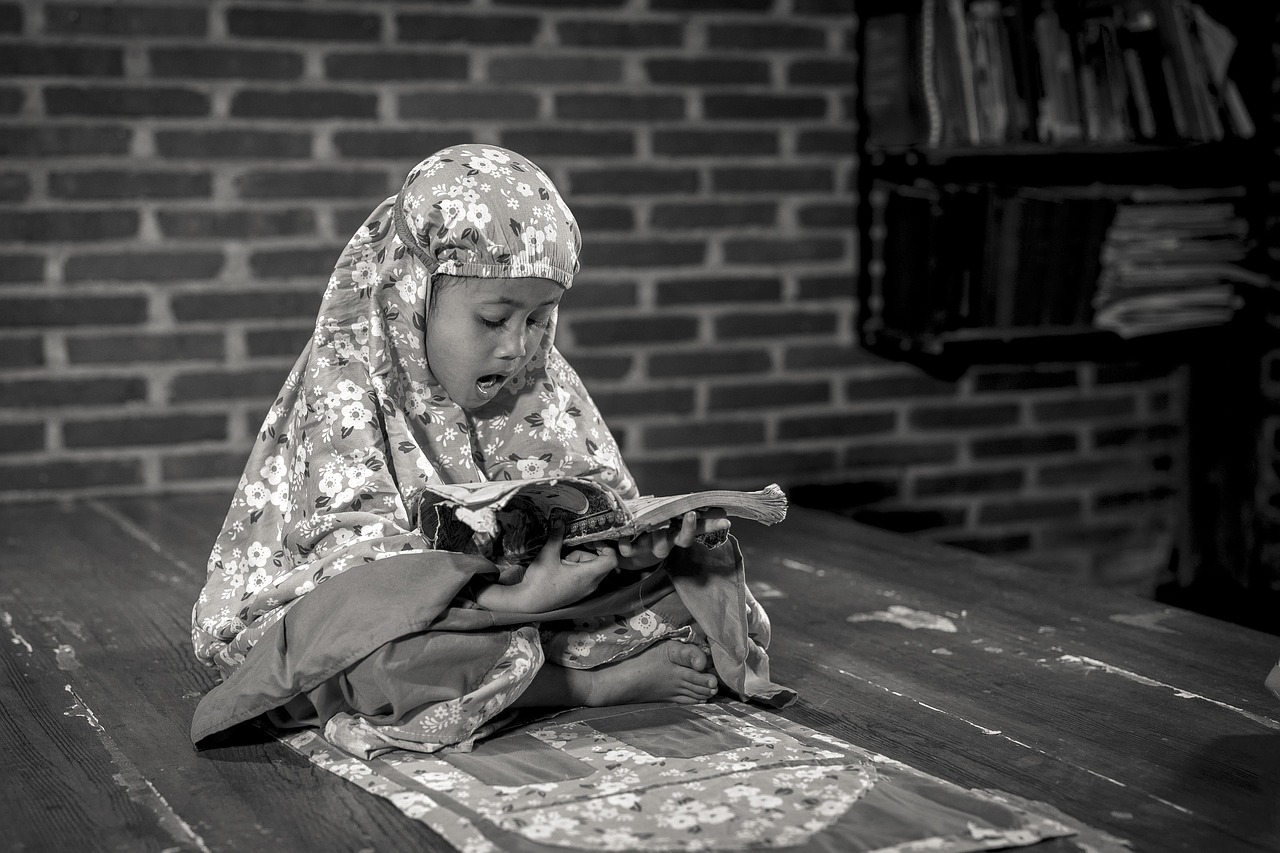
    For Muslims around the world, reciting the Quran is not just an act of worship—it is a way of connecting deeply with the words of Allah. However, reciting the Quran correctly requires more than simply reading the Arabic text. It requires mastering the art of Quran Qirat, which refers to the different methods of recitation that have been preserved through authentic transmission since the time of the Prophet Muhammad (peace be upon him).

    Many learners, especially beginners, find Qirat challenging. From pronunciation of Arabic letters to mastering Tajweed rules, the learning curve can feel steep. But with the right guidance, patience, and expert support, Qirat can become not only easier but also a joyful experience that strengthens your spiritual connection.

    In this blog, we’ll explain what Quran Qirat is, why it matters, the benefits of learning it, and how expert teachers can make the process simple and enjoyable.


    What is Quran Qirat?

    Qirat refers to the authentic methods of reciting the Quran that were passed down from the Prophet Muhammad (peace be upon him) through reliable chains of narrators. There are ten well-known Qira’at, each named after a famous scholar of recitation. While the differences between them are subtle—such as pronunciation of certain words, elongation of vowels, or specific pauses—they are all correct and accepted ways of reciting the Quran.

    Learning Quran Qirat does not mean memorizing all ten variations at once. Most students begin with one style, such as Hafs ‘an Asim, which is the most commonly practiced recitation today. Once a learner becomes confident, they may explore other Qira’at to deepen their understanding.


    Why is Learning Quran Qirat Important?

    The Quran was revealed to be recited beautifully and correctly. Mastering Qirat ensures that Muslims do not change the meaning of words through mispronunciation. Here are a few reasons why Quran Qirat is so significant:

    • Preservation of the Quran’s authenticity: By reciting according to established Qira’at, you connect directly to the preserved oral tradition.

    • Enhancing spiritual connection: Reciting with proper rules improves the beauty of your recitation and strengthens your heart’s attachment to the Quran.

    • Clarity of meaning: Tajweed rules help prevent errors that could alter the meaning of verses.

    • Respect for tradition: Learning Qirat honors the scholars who safeguarded these recitations through centuries of transmission.


    The Challenges of Learning Quran Qirat

    For many learners, Quran Qirat can feel overwhelming at first. Common challenges include:

    • Pronunciation of Arabic letters: Some letters do not exist in English or other languages, which makes articulation tricky.

    • Application of Tajweed: Rules about elongation, nasalization, and pauses require practice and consistency.

    • Memorization pressure: Students sometimes feel stressed about memorizing verses without making mistakes.

    • Lack of guidance: Without a knowledgeable teacher, learners can develop incorrect habits that are hard to fix later.

    The good news is that all of these challenges can be overcome with the right support system.


    How Experts Make Quran Qirat Easy

    Learning on your own can be discouraging, but studying under an expert makes all the difference. Here’s how teachers simplify the process:

    1. Step-by-Step Approach

    Instead of overwhelming students with too many rules at once, experts break down Tajweed and Qirat into simple, manageable lessons. For example, one week might focus only on mastering throat letters, while another introduces elongation rules.

    2. Correcting Pronunciation Early

    Experts identify errors right away and train learners to pronounce letters from their correct articulation points (makharij). This builds a solid foundation.

    3. Encouragement and Confidence

    Teachers motivate students to keep practicing, reminding them that mistakes are a natural part of learning. A supportive environment removes the fear of reciting incorrectly.

    4. Structured Practice

    Regular repetition, guided recitation, and gradual memorization ensure that learners progress steadily without feeling rushed.

    5. Introducing Multiple Qira’at

    Once students are confident in one recitation style, experts slowly introduce others, helping them appreciate the richness of Quran Qirat without confusion.


    The Benefits of Mastering Quran Qirat

    When learners commit to studying Qirat under experts, they experience a wide range of benefits:

    • Confidence in worship: Reciting with accuracy increases confidence during Salah and public recitation.

    • Spiritual peace: The rhythm and melody of proper Qirat bring tranquility to the heart.

    • Respect from peers: Community members admire those who recite beautifully and correctly.

    • Deep connection with history: By following authentic Qira’at, learners feel a living connection to the Prophet’s tradition.

    • Foundation for teaching others: Those who master Qirat often pass on their knowledge, multiplying the reward.


    Tips for Students Learning Quran Qirat

    If you’re starting your Qirat journey, here are some practical tips:

    1. Find a qualified teacher – Online or local teachers with ijazah (certification) in Qirat ensure you learn correctly.

    2. Practice daily – Even 10–15 minutes a day builds consistency.

    3. Listen to expert reciters – Hearing Qirat from renowned Qaris helps train your ear.

    4. Focus on small goals – Master one rule or surah at a time.

    5. Stay patient – Learning Qirat is a journey, not a race. Every small step brings you closer to excellence.


    How Technology Helps Today

    In the past, access to Qirat teachers was limited to mosques or madrasahs. Today, technology has made learning easier than ever. Online classes, interactive apps, and recorded recitations mean you can study Quran Qirat from anywhere in the world. Many platforms even provide one-on-one live sessions with certified teachers, ensuring personalized feedback and flexibility for busy learners.


    Why Expert Guidance Matters

    Some learners try to rely solely on apps or recordings. While these tools are helpful, they cannot replace a teacher’s ability to correct mistakes and provide encouragement. An expert ensures that your recitation is aligned with authentic tradition, protecting you from developing habits that may take years to unlearn.


    Conclusion

    Learning Quran Qirat may feel challenging at first, but with expert support, it becomes a rewarding journey that enriches both your faith and daily life. From accurate pronunciation to spiritual confidence, Qirat transforms the way you connect with the Quran. Modern tools and dedicated teachers make the process accessible and simple, even for beginners.

    The key is to start small, remain consistent, and trust in the guidance of qualified experts. By doing so, you not only honor the sacred tradition of recitation but also unlock the beauty and tranquility that comes with reciting Allah’s words the way they were meant to be recited.

    With patience and the right guidance, Quran Qirat truly becomes easy—allowing you to recite beautifully, confidently, and with a heart connected to the divine message.

  • Islamic Shariah and Human Rights: A Detailed Analysis

    Islamic Shariah and Human Rights: A Detailed Analysis

    Islamic Shariah has often been a subject of discussion, debate, and sometimes misunderstanding in both Muslim and non-Muslim societies. At its core, Shariah represents the divine law derived from the Qur’an and Sunnah. It provides a comprehensive framework that governs all aspects of human life, from worship to social justice, from economic principles to family life. While many perceive Shariah in narrow legalistic terms, it is in fact much broader, encompassing moral guidance, ethical values, and spiritual development.

    One of the most debated questions today is how Islamic Shariah law relates to human rights. Critics often suggest a conflict between Shariah and international human rights frameworks, while Muslim scholars emphasize harmony when the concepts are understood in their proper context. This article explores the foundations of Shariah, its approach to human rights, and its role in modern society. It aims to provide an objective and detailed analysis while addressing misconceptions.

    Foundations of Islamic Shariah

    The word Shariah literally means “a path to water,” symbolizing the path that leads to life and guidance. It is rooted in two primary sources: the Qur’an, which Muslims believe to be the literal word of God, and the Sunnah, the recorded practices and sayings of the Prophet Muhammad (peace be upon him). Secondary sources include ijma (scholarly consensus) and qiyas (analogical reasoning), which help address new issues in evolving societies.

    The Islamic legal system was never intended to be rigid. Instead, it contains flexibility and adaptability to different times and contexts. Early scholars developed principles of fiqh (jurisprudence) to interpret the divine texts while ensuring that justice in Islamic law remained central.

    Shariah and the Concept of Human Dignity

    One of the primary aims of Shariah is the preservation of human dignity. The Qur’an states: “We have certainly honored the children of Adam…” (Qur’an 17:70). This foundational principle underlines the belief that every human being, regardless of race, gender, or social status, possesses inherent dignity and rights.

    The framework of human rights in Islam predates many modern charters. Shariah recognizes rights such as the right to life, the right to property, the right to freedom of religion, and the right to family. These rights are not granted by governments or institutions but are seen as divinely ordained. Therefore, they carry a sacred value within the Islamic legal system.

    Justice in Islamic Law

    Justice occupies a central position in Shariah. The Qur’an commands believers to “stand firm in justice, even if it be against yourselves or your kin” (Qur’an 4:135). This universal call highlights that justice is not limited by personal interest, ethnicity, or political affiliation.

    Justice in Islamic law ensures balance between rights and responsibilities. It emphasizes fairness not only in criminal and civil matters but also in economic relations, family life, and governance. This balance sets Shariah apart from systems that may focus solely on individual freedoms without adequate consideration of societal harmony.

    When examining justice in Islamic law, scholars often point to the Prophet Muhammad’s Farewell Sermon, where he emphasized equality, the sanctity of life and property, and respect for women. These timeless principles demonstrate Shariah’s deep concern for human welfare.

    Human Rights in Islam

    The human rights discourse in Islam is built on the concept of Maqasid al-Shariah (objectives of Shariah). Scholars agree that the five fundamental objectives are the protection of religion, life, intellect, lineage, and property. Modern scholars also extend this framework to include protection of honor, human dignity, and the environment.

    Some key human rights in Islam include:

    • Right to Life: The Qur’an prohibits unjust killing and equates the killing of one innocent person to killing all of humanity (Qur’an 5:32). 
    • Right to Equality: The Prophet declared in his sermons that no Arab has superiority over a non-Arab, and no white has superiority over a black except in piety. 
    • Right to Property: Islam safeguards ownership rights and forbids theft, usury, and unjust appropriation. 
    • Right to Religion: The Qur’an clearly states, “There is no compulsion in religion” (Qur’an 2:256). 
    • Rights of Women: Women in Islamic Shariah law are granted the right to inheritance, education, property ownership, and personal choice in marriage. 

    By framing rights within the divine law, human rights in Islam are not subject to change by political shifts or majority opinion. Instead, they are rooted in universal principles that stand firm across cultures and eras.

    Shariah and Modern Society

    A pressing question today is how Shariah interacts with modern societies that are shaped by globalization, secular governance, and international law. The relationship is often misunderstood, especially when Shariah is portrayed narrowly in media.

    In practice, Shariah is not limited to criminal punishments, as is often depicted. It also covers ethics, commerce, social welfare, and spirituality. When Muslims speak of Shariah and modern society, they highlight the adaptability of Islamic principles to address contemporary issues such as bioethics, environmental justice, and technology.

    For example, modern Islamic scholars engage in ijtihad (independent reasoning) to address topics like organ donation, artificial intelligence, and climate change. By doing so, they demonstrate that Shariah remains relevant in guiding humanity toward moral and just solutions.

    Misconceptions About Shariah and Human Rights

    Despite its holistic vision, Shariah is often subject to misconceptions. Some assume that Islamic Shariah law is inherently opposed to freedom and equality. In reality, Shariah prioritizes freedom of belief and human dignity while maintaining moral boundaries for the welfare of society.

    Another misconception is that Shariah is static and outdated. Yet history shows that Muslim jurists across centuries developed diverse schools of thought, demonstrating intellectual dynamism.

    Critics also argue that Shariah undermines women’s rights. However, many scholars clarify that cultural practices in some regions should not be confused with the principles of justice in Islamic law. When implemented correctly, Shariah protects women’s dignity, grants inheritance rights, and emphasizes their role in family and society.

    Comparative Perspective: Shariah and International Human Rights

    While international human rights frameworks such as the Universal Declaration of Human Rights (UDHR) emerged in the 20th century, Islamic scholars note that many of the same principles exist within Shariah. Both emphasize life, dignity, equality, and justice.

    The main difference lies in the source of authority. In the Islamic legal system, rights are God-given and thus permanent. In international law, rights are often considered human-made and subject to change. This difference explains why debates sometimes arise regarding compatibility.

    However, many Muslim-majority countries have worked to harmonize Shariah and international human rights standards. Instruments like the Cairo Declaration on Human Rights in Islam attempt to bridge the gap by presenting human rights in Islam within a Shariah-based framework.

    Challenges and the Way Forward

    One of the challenges is the selective portrayal of Shariah. Media narratives often highlight punishments without acknowledging the broader framework of mercy, justice, and compassion. This leads to stereotypes and fear.

    Another challenge is the misapplication of Shariah by individuals or groups lacking scholarly authority. Such misuse can distort the true image of Islamic Shariah law and fuel misconceptions about human rights in Islam.

    The way forward requires balanced scholarship, public awareness, and dialogue between cultures. By focusing on the principles of justice in Islamic law and the shared values of humanity, Shariah can be better understood as a system that uplifts rather than suppresses.

    Conclusion

    Islamic Shariah is a comprehensive system rooted in divine wisdom. Its relationship with human rights is not one of opposition but of integration. The principles of justice in Islamic law, the objectives of Shariah, and the emphasis on dignity all point toward a harmonious framework that values both individual freedoms and collective responsibility.

    When applied with knowledge, balance, and context, the Islamic legal system provides not only a code of conduct for Muslims but also a vision of justice and compassion relevant to the entire world. The challenge today is not the essence of Shariah itself but the way it is represented, interpreted, and applied.

    In conclusion, understanding Shariah and human rights in Islam requires moving beyond stereotypes and engaging with authentic scholarship. This approach reveals a system designed to nurture humanity, uphold justice, and ensure the well-being of all.

    FAQs

    Q1: What is the connection between Islamic Shariah and human rights?
    Islamic Shariah provides a framework for justice, fairness, and dignity. While international human rights laws emphasize universal freedoms, Shariah highlights both rights and responsibilities.

    Q2: Does Islamic Shariah support gender equality?
    Yes, Islamic Shariah promotes fairness for men and women. While cultural practices sometimes distort this, the principles of Shariah aim for balance and justice.

    Q3: How does Shariah law address freedom of religion?
    Shariah acknowledges freedom of belief and emphasizes peaceful coexistence, while also maintaining clear guidelines for religious practices in Muslim societies.


     

  • Step-by-Step Guide to Understanding the Ten Qirat Styles

    Step-by-Step Guide to Understanding the Ten Qirat Styles

    When Muslims hear the Quran recited in different styles, many are surprised to learn that these differences are not errors or regional preferences, but rather part of a rich and authentic tradition known as the Qirāt (plural of Qirāʾah). The Ten Qirat represent canonical methods of Quranic recitation that have been preserved through chains of transmission from the Prophet Muhammad (peace be upon him). They are recognized by scholars as valid, authentic, and divinely permitted ways of reciting the words of Allah.

    Understanding the Ten Qirat requires more than simply memorizing their names. It involves learning their historical development, appreciating the linguistic diversity they capture, and recognizing their role in preserving the Quran. This step-by-step guide aims to provide a detailed yet structured pathway for learners to understand and appreciate these recitation styles.

    Step 1: What Is Qirat?

    The term Qirāʾah literally means “reading” or “recitation.” In the Islamic scholarly tradition, it refers to a particular method of reciting the Quran that has been transmitted through reliable narrators. These variations are not random. They reflect differences in pronunciation, elongation, articulation, and sometimes vocabulary, but all within the parameters revealed to the Prophet.

    Unlike dialects or translations, Qirat are divinely sanctioned modes of recitation. According to authentic hadith, the Quran was revealed “in seven ahruf” (modes or categories of recitation). Over time, scholars meticulously documented the authentic recitations passed down through successive generations, leading to what we now call the Ten Qirat.

    Step 2: Historical Development of Qirat

    The preservation of the Quran has always been central to Islamic practice. After the death of the Prophet, the companions safeguarded the Quran through both memorization and writing. As Islam spread beyond Arabia, differences in recitation became more noticeable.

    In the 10th century, the scholar Abu Bakr Ibn Mujahid (d. 936 CE) played a pivotal role by canonizing seven widely accepted Qirat, which later became known as the Seven Qirat. Centuries later, three more Qirat, also authenticated and transmitted, were added, making the Ten Qirat recognized today. These ten styles are accepted across Sunni scholarship as valid and authoritative.

    Step 3: Structure of a Qirat

    Each Qirat is named after a master reciter (Imam al-Qirāʾah), who perfected and transmitted his recitation style. However, each Qirat is further transmitted through two main narrators (rawis). This means that learners not only identify the main reciter but also the narrators who preserved his style. For example, the Qirat of Imam Nafiʿ al-Madani is primarily known through Warsh and Qalun.

    Step 4: The Ten Qirat Styles Explained

    1. Qirat of Nafiʿ al-Madani

    • Imam: Nafiʿ ibn Abdur Rahman (Medina)

    • Narrators: Qalun and Warsh

    • Notes: Widely used in North Africa. Warsh is especially common in Morocco and Algeria. Known for clarity and melodic flow.

    2. Qirat of Ibn Kathir al-Makki

    • Imam: Abdullah ibn Kathir (Mecca)

    • Narrators: Al-Bazzi and Qunbul

    • Notes: Reflects the recitation style of early Meccan scholars. Often described as precise and measured.

    3. Qirat of Abu Amr al-Basri

    • Imam: Abu Amr ibn al-‘Ala (Basra)

    • Narrators: Al-Duri and Al-Susi

    • Notes: Characterized by smoother transitions. Influential in Iraq and parts of Sudan.

    4. Qirat of Ibn ‘Amir ash-Shami

    • Imam: Ibn ‘Amir (Damascus)

    • Narrators: Hisham and Ibn Dhakwan

    • Notes: Prominent in Syria, known for eloquence and strength in rhythm.

    5. Qirat of Asim al-Kufi

    • Imam: Asim ibn Abi al-Najud (Kufa)

    • Narrators: Hafs and Shu‘bah

    • Notes: Hafs is by far the most widespread recitation today, especially in Asia, Turkey, and large parts of the Muslim world.

    6. Qirat of Hamzah al-Kufi

    • Imam: Hamzah ibn Habib (Kufa)

    • Narrators: Khalaf and Khallad

    • Notes: Known for particular elongation and emphatic pronunciation.

    7. Qirat of Al-Kisai al-Kufi

    • Imam: Ali ibn Hamzah al-Kisai (Kufa)

    • Narrators: Abul Harith and Al-Duri

    • Notes: A Kufan recitation marked by depth and deliberate pace.

    8. Qirat of Abu Jaʿfar al-Madani

    • Imam: Yazid ibn al-Qaʿqaʿ (Medina)

    • Narrators: Ibn Wardan and Ibn Jammaz

    • Notes: Adds to Medina’s scholarly tradition, closely tied to Nafiʿ’s recitation.

    9. Qirat of Yaʿqub al-Hadrami

    • Imam: Yaʿqub ibn Ishaq (Basra)

    • Narrators: Ruways and Rawh

    • Notes: Preserved in southern Arabia, distinct for its unique intonations.

    10. Qirat of Khalaf al-ʿAshir

    • Imam: Khalaf ibn Hisham (Baghdad)

    • Narrators: Ishaq and Idris

    • Notes: Combines elements of Kufan traditions but carries its own individuality.

    Step 5: Why Do the Qirat Differ?

    The variations in Qirat reflect differences in:

    • Pronunciation: Such as subtle changes in vowels or articulation.

    • Vocabulary: Some words differ slightly (e.g., singular vs. plural) but without altering meaning.

    • Grammar and Syntax: Small shifts in verb forms or case endings.

    • Lengthening and Shortening: How long vowels or pauses are extended.

    These differences demonstrate the linguistic richness of Arabic and accommodate the dialectical diversity of early Muslim communities, all while preserving the Quran’s message.

    Step 6: Misconceptions About Qirat

    One of the most common misconceptions about Qirat is the belief that they represent different versions of the Quran. This is entirely false. The Quran itself has remained unchanged since it was revealed to Prophet Muhammad (peace be upon him). The Ten Qirat are simply authentic methods of reciting the same text. No Qirat adds or removes even a single verse, letter, or word. Instead, the variations are limited to differences in pronunciation, elongation, or slight grammatical articulation, all of which were taught by the Prophet himself to his companions.

    Another frequent misunderstanding is the idea that one Qirat is superior to another. Some people assume, for example, that the Hafs recitation is “better” simply because it is the most widely recited today. In truth, all Ten Qirat are equal in authenticity, origin, and scholarly acceptance. The preference for one over another in certain regions of the Muslim world is a matter of transmission and tradition, not superiority.

    By clearing up these misconceptions, students of Qirat can better appreciate the rich diversity of recitation while understanding that this diversity does not compromise the unity of the Quran. Instead, it highlights the depth of the divine revelation and the flexibility preserved within its oral transmission.

    Step 7: Learning the Ten Qirat

    Studying Qirat is a highly specialized discipline. Traditionally, students learn under certified teachers with chains of transmission (ijazah). The steps typically include:

    1. Mastering Tajweed: Correct pronunciation and articulation of letters.

    2. Memorization: Committing the Quran to memory with accuracy.

    3. Studying One Qirat First: Most begin with Hafs ʿan ʿAsim.

    4. Advancing to Others: Learning the differences systematically through classical texts like Shatibiyyah and Durrah.

    5. Receiving Ijazah: Certification by a qualified teacher, linking the student’s recitation back to the Prophet.

    Step 8: The Significance of Preserving Qirat

    The Ten Qirat highlight the miraculous nature of the Quran’s preservation. They provide evidence of the Quran’s divine origin, as variations were transmitted without compromising the meaning. They also serve as a reminder of Islam’s rich scholarly tradition, where recitation was meticulously documented to prevent distortion.

    In a Nutshell!

    The Ten Qirat are not just alternative ways of reciting the Quran; they are living testimonies of divine revelation and scholarly preservation. Each style connects today’s Muslims to the Prophet’s era, showcasing both the Quran’s linguistic versatility and its unaltered message.

    By understanding the Ten Qirat step by step, through definition, history, individual styles, and methods of learning, we gain deeper respect for the Quran’s enduring legacy. For students of the Quran, exploring these Qirat is not only a scholarly pursuit but also a spiritual journey into the heart of revelation. Explore our cources today!

    FAQs

    1. What are the Ten Qirat styles in the Quran?
      The Ten Qirat are authentic recitation styles passed down from the Prophet Muhammad (PBUH) through reliable chains of transmission, preserving pronunciation and linguistic variations.
    2. Do the Ten Qirat represent different versions of the Quran?
      No. The Quran is one and unchanged. Qirat only reflect slight differences in pronunciation and recitation methods, not in meaning or verses.
    3. Which Qirat style is most commonly used today?
      The Hafs ‘an ‘Asim style is the most widely recited globally, though other Qirat are still preserved and taught in various regions.
    4. Why were different Qirat allowed?
      They were permitted to accommodate dialectal differences among early Arab tribes, making recitation easier without altering meaning.


  • Top Benefits of Getting an Ijazah Certification in Quran Recitation

    Top Benefits of Getting an Ijazah Certification in Quran Recitation

    The Quran is more than just a book. It is a guide, a source of light, and a timeless message preserved in its purest form. For centuries, Muslims around the world have kept the tradition of Ijazah alive. This certification is not just about learning to recite correctly. It is about carrying a chain of trust and knowledge that links you back to the Prophet Muhammad (peace be upon him). Today, many students wonder why they should take this step and what benefits it holds. If you are thinking about starting your journey, here are the many reasons why an Ijazah in Quran recitation can change your life.

    What is Ijazah?

    The word Ijazah means permission or authorization. In Islamic learning, it refers to a formal certification from a qualified teacher. When you earn it, you are given permission to teach or recite the Quran in the same way you were taught. This creates an unbroken chain of transmission, reaching all the way back to the Prophet.

    Unlike general study, an ijazah program focuses on precision, discipline, and authenticity. It ensures that every sound, every letter, and every rule of Tajweed is mastered. This is why it holds so much respect among scholars and students.

    1. Connecting to an Unbroken Chain of Knowledge

    One of the most unique benefits of getting an Ijazah is the connection it gives you. You are not only learning from your teacher but also linking yourself to a long chain of scholars who came before. This unbroken chain goes back generation by generation until it reaches the Prophet.

    When you learn Quran with Ijazah, you become part of this chain. You are trusted to carry the message as it was revealed. This is a spiritual honor and a responsibility. It ensures that the Quran remains unchanged and pure.

    2. Mastering the Art of Tajweed

    Reciting the Quran is not like reading any other text. Every letter must be pronounced correctly. Every rule of Tajweed must be observed. A small mistake can change the meaning.

    Through an ijazah in Quran recitation, you learn to master these details. You do not only practice the sounds. You also understand the wisdom behind them. This makes your recitation more beautiful and more accurate. Many students find that this also deepens their connection to the Quran.

    3. Gaining the Right to Teach Others

    With an Ijazah, you are not just a student anymore. You become a teacher. This is what makes it a true quran teacher certification. Once you are certified, you can pass on your knowledge to others.

    This is important because the Quran must be preserved through people. Books and recordings are useful, but they cannot replace a live teacher. By earning this certification, you become part of the preservation of the Quran for future generations.

    4. Deepening Your Spiritual Connection

    The Quran is more than words. It is a source of peace and guidance. Many people recite it daily, but learning it in detail through an ijazah program brings a new level of closeness.

    When you study with a qualified teacher, you are forced to slow down, reflect, and pay attention. You begin to notice the beauty of the rhythm, the depth of the message, and the flow of the words. This makes your relationship with the Quran more meaningful.

    5. Building Discipline and Focus

    Earning an Ijazah is not easy. It requires patience, consistency, and humility. You may spend months or even years perfecting your recitation. This process trains your mind and heart.

    Many students say that after completing an online ijazah course, they feel more disciplined in other areas of life as well. The focus you build during your study often spills over into work, family, and worship.

    6. Opportunities for Teaching Online and Globally

    The modern world has made Quran learning more accessible. With an online ijazah course, you can study from home with qualified teachers from around the world. Once you are certified, you also gain the ability to teach online.

    This opens doors for you to reach students across the globe. Many Muslims who live in areas without local teachers depend on certified online instructors. This means your knowledge can help preserve Quran recitation far beyond your community.

    7. Confidence in Your Recitation

    Many Muslims feel shy or unsure when reciting the Quran in public. They worry about making mistakes. With an Ijazah in Quran recitation, that fear disappears.

    You gain confidence, knowing that your recitation has been checked and approved by a qualified teacher. This makes it easier to lead prayers, recite in gatherings, and share the Quran with others.

    8. Reward in This Life and the Next

    Teaching and preserving the Quran is one of the most rewarding acts in Islam. The Prophet said, “The best among you are those who learn the Quran and teach it.”

    When you earn a quran teacher certification, you open the door to continuous reward. Every student you teach, every word you recite, and every mistake you correct brings blessings. It is a gift that benefits you in this world and the hereafter.

    9. Developing a Global Perspective

    Today, Muslims are spread across the world. Each community has its own challenges and experiences. Through an ijazah program, you often meet teachers and students from different backgrounds.

    This global connection gives you perspective. It reminds you that the Quran belongs to all Muslims, not just one group. You become part of a worldwide effort to protect and honor the message.

    10. Passing on a Precious Legacy

    At its heart, the Ijazah is about passing knowledge from one generation to the next. When you learn Quran with Ijazah, you are entrusted with something very precious. You are carrying the words of Allah in their purest form.

    This is not just about your own growth. It is also about what you will leave behind. Imagine being the reason your children or students recite the Quran correctly for their whole lives. That is the legacy of Ijazah.

    The Role of Ijazah in Preserving Authentic Quran Recitation

    One of the greatest values of Ijazah is its role in safeguarding the exact way the Quran has been recited for centuries. Through this certification, every student becomes part of an unbroken chain that connects back to the Prophet Muhammad (peace be upon him). This continuity ensures that no errors or alterations enter the recitation. For students, it is not just about earning a certificate but becoming a guardian of this divine trust. This section will show readers how important Ijazah is in protecting the Quran for future generations.

    Career and Teaching Opportunities After Ijazah

    Many students pursue Ijazah with the goal of teaching others. Once certified, they can teach in masjids, Islamic schools, or even online platforms worldwide. This qualification brings respect and recognition, making students trusted teachers of the Quran. Beyond teaching, Ijazah also strengthens one’s credibility when leading Quran circles, halaqas, or community programs. It opens doors to serving the ummah in impactful ways.

    Conclusion

    Getting an Ijazah is more than a personal achievement. It is a journey that connects you to the Prophet, strengthens your faith, and allows you to guide others. Whether you choose an online ijazah course or study locally, the benefits are lifelong.

    If you are ready to take this step, the path is open for you. With dedication, patience, and the right teacher, you can earn this certification and become part of a timeless tradition.

    FAQs

    What is an Online Ijazah Course?
    An Online Ijazah Course is a program where students learn Quran recitation and receive certification from qualified teachers through virtual classes.

    Who can enroll in an Online Ijazah Course?
    Anyone who has a good foundation in Quran recitation and wants to receive formal certification can join, regardless of age or location.

    How long does it take to complete an Online Ijazah Course?
    The duration depends on the student’s fluency, but most courses take several months to a year to complete.

  • Breaking the Stigma: Mental Health in the Muslim Community

    Breaking the Stigma: Mental Health in the Muslim Community

    Mental health is one of the most pressing global health challenges of our time. Across cultures and continents, conversations about emotional well-being, psychological resilience, and trauma recovery are becoming more common and more accepted. Yet, within some segments of the Muslim community, particularly in traditional or conservative settings, mental health remains a sensitive subject, often shrouded in silence, stigma, or spiritual misunderstanding.

    But change is on the horizon.

    Islam, at its core, is a comprehensive way of life that encompasses not just spiritual devotion, but also emotional balance, psychological health, and social well-being. In recent years, there has been a significant rise in the demand for Islamic counseling online, faith-based therapy for Muslims, and resources that address Muslim mental health support without compromising religious principles.

    This blog aims to unpack the roots of stigma, clarify Islamic perspectives on mental wellness, and highlight how the growing field of Islamic therapy courses is helping reshape the conversation around emotional well-being in Muslim communities.

    Understanding the Roots of Mental Health Stigma in Muslim Societies

    To break a stigma, one must first understand where it comes from. In many Muslim cultures, mental health challenges such as anxiety, depression, OCD, or trauma are often seen as signs of:

    • Weak Iman (faith)
    • Lack of sabr (patience)
    • Personal failure or shame
    • Unseen spiritual forces (e.g., jinn, sihr)

    While belief in the unseen (al-ghayb) is part of Islamic theology, misattributing all psychological suffering to supernatural causes can delay appropriate treatment, invalidate the person’s emotional pain, and increase feelings of isolation.

    In some cases, those who suffer from mental health issues are advised only to pray more, make dhikr, or trust in Allah, without being encouraged to seek professional Muslim mental health support. While spiritual practices are essential, this dichotomy between faith and therapy is not rooted in the Quran or Sunnah.

    The Islamic Perspective: Islam Does Not Dismiss Mental Health

    Far from ignoring psychological struggles, the Quran and Hadith provide deep insight into the emotional and mental states of human beings.

    Emotional Struggles in the Quran

    • Prophet Yaqub (Jacob) grieved deeply for his son Yusuf:
      “And his eyes became white with sorrow, for he was suppressing [his grief].”
      (Surah Yusuf, 12:84) 
    • Maryam (Mary), the mother of Isa (Jesus), in her moment of pain:

      “I wish I had died before this and was in oblivion, forgotten.”
      (Surah Maryam, 19:23) 
    • Even the Prophet Muhammad ﷺ was comforted during his grief in Surah Ad-Duha. 

    These verses reveal that intense emotional experiences, grief, sadness, despair, are part of the human journey. Islam acknowledges them, validates them, and offers both spiritual and practical tools for healing.

    The Role of Faith-Based Therapy for Muslims

    A growing number of Muslims are now seeking faith-based therapy for Muslims that integrates clinical psychology with Islamic values. This hybrid approach allows clients to address their emotional or psychological challenges without compromising their faith identity.

    In such settings, clients may discuss:

    • Anxiety and depression with reference to both clinical models and Islamic spirituality
    • Marital conflict in light of prophetic teachings
    • Trauma and abuse with a faith-sensitive therapist
    • The meaning of suffering and tests (*ibtila’) from a Quranic lens

    This model is particularly effective because it bridges the gap between traditional Islamic counseling and modern psychological tools.

    For instance, techniques such as Cognitive Behavioral Therapy (CBT) can be adapted with Islamic language, framing negative thoughts as whispers of Shaytan, and encouraging clients to challenge those thoughts through dhikr and positive affirmations based in the Quran and Sunnah.

    Quranic Healing for Anxiety: More Than Just Recitation

    The Quran is not just a book of laws and stories; it is described as shifa (healing) for the heart and mind.

    “And We send down from the Quran that which is a healing and a mercy for the believers…”
    (Surah Al-Isra, 17:82)

    Quranic healing for anxiety involves more than reciting verses; it involves reflecting on their meaning, internalizing their guidance, and aligning one’s life with divine wisdom. For example:

    • Surah Ash-Sharh offers comfort for those feeling burdened or overwhelmed. 
    • Ayat al-Kursi is recited for protection from fear and anxiety. 
    • Surah Al-Duha reminds us of Allah’s ongoing care and the promise that things will improve. 

    Modern Islamic therapy courses often integrate such verses with therapeutic exercises like grounding techniques, journaling, and breath work, all within an Islamic framework.

    Why Islamic Counseling Online Is Growing in Demand

    With increasing awareness and access to digital platforms, more Muslims around the world, especially in non-Muslim-majority countries, are turning to Islamic counseling online. These services provide several benefits:

    • Anonymity and privacy: Clients can discuss sensitive issues without community pressure. 
    • Access to qualified Muslim therapists: Especially valuable in areas where in-person faith-based professionals are rare. 
    • Flexible scheduling: Accommodates work, school, and family life. 
    • Faith-sensitive language and approach: No need to explain or defend Islamic practices.

    Therapists in these platforms are often trained in both clinical psychology and Islamic studies, enabling them to provide effective, holistic care that respects religious boundaries and ethical values.

    Community-Based Muslim Mental Health Support

    Healing doesn’t happen in isolation. While therapy is crucial, so is community support. Mosques, Islamic centers, and schools can play a vital role in normalizing conversations around mental health.

    Steps communities can take:

    • Host workshops on mental wellness from an Islamic perspective
    • Invite Muslim mental health professionals to speak at events
    • Train Imams in basic mental health first aid
    • Create support groups for youth, women, or new converts

    By creating safe spaces for open dialogue, the Muslim community can reclaim the tradition of compassion and care that was so central to the life of the Prophet ﷺ.

    Learning and Teaching: Islamic Therapy Courses

    There is a growing movement to educate more Muslims, counselors, imams, teachers, and parents, through Islamic therapy courses. These courses combine classical Islamic concepts with psychology, covering topics such as:

    • The Islamic model of the self (nafs, qalb, ruh)
    • Trauma-informed care in Muslim contexts 
    • Marriage and family therapy in Islam
    • Crisis intervention with a faith lens

    Completing an Islamic therapy course not only equips individuals to support others but also deepens their own understanding of emotional well-being in the light of Islam.

    Wrap Up!

    The stigma surrounding mental health in the Muslim community is slowly but surely being dismantled. More Muslims now recognize that seeking therapy is not a sign of weak faith, it is a proactive, responsible step toward healing. Islam encourages us to seek both spiritual and practical solutions for our challenges.

    From Quranic healing for anxiety to professional Islamic counseling online, there are now countless tools available to help Muslims find balance, peace, and strength.

    By promoting faith-based therapy for Muslims, engaging in Islamic therapy courses, and building more inclusive support systems, we honor not only our well-being, but our deen.

    Let us remind ourselves and others: caring for our mental health is an act of gratitude to Allah for the gift of our mind, body, and soul.

    FAQs

    1. Is mental health discussed in Islam?

    Yes. Islam acknowledges emotional struggles such as grief, sadness, and anxiety. The Quran and Sunnah offer guidance and comfort for dealing with mental challenges.

    2. What is faith-based therapy for Muslims?

    Faith-based therapy for Muslims combines modern psychology with Islamic values, allowing individuals to receive mental health support without compromising their faith.

    3. What are some Quranic verses for healing anxiety?

    Verses from Surah Ash-Sharh, Surah Al-Duha, and Ayat al-Kursi are commonly used for Quranic healing for anxiety. These offer spiritual comfort and hope.

wpChatIcon
wpChatIcon