Author: Admin Manager

  • How Noorani Qaida Enhances Quranic Pronunciation and Tajweed

    How Noorani Qaida Enhances Quranic Pronunciation and Tajweed

    When it comes to reciting the Quran, one of the most important elements is proper pronunciation. A beautiful, accurate recitation is not only a sign of respect for the Quran but also a way to ensure that the meaning of the verses is understood and conveyed correctly. This is where Noorani Qaida comes into play. Noorani Qaida is a foundational tool that helps individuals, both young and old, to learn the proper pronunciation of Arabic letters and the rules of Tajweed. In this blog, we will dive deep into how Noorani Qaida enhances Quranic pronunciation and Tajweed, making it an essential part of every Muslim’s journey to better understand the Quran.

    What is Noorani Qaida?

    Noorani Qaida is an introductory book designed to teach beginners the basics of the Arabic language, focusing specifically on the Quranic script and pronunciation. The word “Qaida” means a foundational guide, and Noorani Qaida is often used as a starting point for those wishing to recite the Quran correctly.

    The main goal of Noorani Qaida is to break down the Arabic alphabet and its sounds into manageable parts. This makes it easier for learners, particularly those who are non-Arabic speakers, to get familiar with the unique sounds and pronunciations of Arabic letters. Through repetition and structured lessons, learners can master the correct pronunciation of each letter and syllable.

    The Role of Noorani Qaida in Quranic Pronunciation

    In order to recite the Quran properly, it is essential to understand the pronunciation of each Arabic letter and the rules associated with it. Noorani Qaida teaches these rules in a systematic and gradual way, helping learners improve their pronunciation step by step.

    One of the key features of Noorani Qaida is its emphasis on pronunciation, especially the subtle differences between letters. Arabic is a language that has several sounds that do not exist in other languages. For example, the letters “ص” (Saad) and “س” (Seen) sound similar but are pronounced differently. Similarly, the letter “ع” (Ain) requires a particular throat sound that can be challenging for beginners. Noorani Qaida helps learners identify and master these unique sounds, allowing them to pronounce the Quran with precision.

    Another important aspect of Noorani Qaida is its focus on the articulation points of each letter. In Arabic, each letter has a specific place in the mouth or throat where it is pronounced. By teaching these articulation points, Noorani Qaida ensures that learners can produce each letter in its proper form, which is essential for accurate Quranic recitation.

    Introduction to Tajweed Rules

    Tajweed refers to the set of rules that govern the proper pronunciation and recitation of the Quran. These rules ensure that the Quran is recited as it was revealed, preserving its original beauty and meaning. Tajweed covers aspects such as elongation (Madd), pauses (Sakt), emphasis (Shaddah), and the way letters are joined or separated in recitation.

    Learning Tajweed is crucial because incorrect recitation can alter the meaning of the Quranic verses. For example, mispronouncing the letters or not following the rules of Tajweed can lead to a change in the meaning of a word or verse. Noorani Qaida is designed to lay the foundation for Tajweed by teaching learners the correct pronunciation of each letter and sound. It is essentially the first step in mastering Tajweed.

    The Noorani Qaida’s gradual approach ensures that beginners are not overwhelmed with complex rules. The book starts with simple sounds and builds up to more advanced rules, allowing learners to progress at their own pace. With each lesson, they become more confident in their recitation and are better prepared to learn the full set of Tajweed rules.

    Enhancing Tajweed Through Noorani Qaida

    Noorani Qaida acts as a bridge between basic pronunciation and advanced Tajweed. By learning the correct pronunciation of letters, syllables, and words, learners are able to apply the rules of Tajweed more effectively. Here’s how Noorani Qaida helps enhance Tajweed:

    1. Correct Pronunciation of Letters: Mastering the correct pronunciation of Arabic letters is essential for Tajweed. Noorani Qaida helps learners focus on this by breaking down the sounds and articulation points of each letter. This enables learners to read the Quran with accuracy. 
    2. Understanding Short and Long Vowels: One of the core rules of Tajweed is the proper use of short and long vowels (Harakats). Noorani Qaida introduces the learner to these vowels and teaches them how to apply them correctly while reciting the Quran. 
    3. Practice with Rhythmic Patterns: Tajweed also involves understanding the rhythmic flow of the Quran. Noorani Qaida’s exercises encourage repetition and practice, allowing learners to get comfortable with the natural rhythm of Quranic recitation. 
    4. Mastering Madd (Elongation): Madd refers to the elongation of certain letters or syllables in Quranic recitation. Noorani Qaida introduces this concept in a simple way, helping learners understand when and how to elongate their pronunciation, which is essential for accurate Tajweed. 
    5. Learning the Importance of Stopping (Waquf): Tajweed rules also involve knowing where to pause or stop during recitation. Noorani Qaida emphasizes this by guiding learners through short Quranic phrases, teaching them how to pause correctly and continue without altering the meaning of the verse.

    Noorani Qaida for Non-Arabic Speakers

    For non-Arabic speakers, learning to pronounce Arabic letters can seem challenging. However, Noorani Qaida makes this process much easier by offering a step-by-step approach. The book is designed in such a way that it caters to learners from different backgrounds, helping them overcome the challenges of unfamiliar sounds.

    One of the most important aspects of Noorani Qaida is its focus on phonetic sounds, which means it teaches learners to recognize and produce sounds that may not exist in their native languages. This makes it easier for non-Arabic speakers to master the pronunciation of Arabic letters and words.

    Moreover, Noorani Qaida offers a foundation that makes it possible for learners to eventually understand and apply the rules of Tajweed. This is particularly important for non-Arabic speakers, as they are often unfamiliar with the phonetic intricacies of Arabic. By learning with Noorani Qaida, learners gain the tools they need to progress to more advanced levels of Quranic recitation.

    Learning Noorani Qaida with an Online Tutor

    In today’s digital world, learning Noorani Qaida has become more accessible than ever. Online platforms now offer Noorani Qaida classes that cater to learners worldwide. Whether you are a beginner or someone who wants to brush up on your skills, Noorani Qaida online tutor services are a great way to receive personalized guidance from experienced instructors.

    By enrolling in Noorani Qaida online classes, learners can access structured lessons and interact with qualified tutors who provide one-on-one attention. This personalized approach ensures that learners can progress at their own pace and receive feedback on their pronunciation and Tajweed.

    In particular, Noorani Qaida online courses provide the flexibility to learn at any time and from anywhere, making it easier for students with busy schedules to commit to their Quranic education. With the right tutor, learners can master Noorani Qaida and Tajweed in a way that is both convenient and effective.

    Why Choose Our Noorani Qaida Online Courses?

    If you are looking for a Tajweed course online, our Noorani Qaida online tutor services are the perfect choice. Our courses are designed to help you master Quranic pronunciation and Tajweed rules in a friendly and interactive environment. Whether you are looking for Noorani Qaida classes in the USA or Noorani Qaida online classes for students around the world, our experienced tutors are ready to guide you on your journey to becoming a skilled Quranic reciter.

    Our Noorani Qaida online classes provide clear instructions, plenty of practice material, and personalized feedback to ensure you learn at your own pace. Sign up today to begin your journey toward mastering Tajweed and Quranic recitation with confidence.

    FAQs

    1. What is Noorani Qaida?
      Noorani Qaida is a foundational guide for learning the correct pronunciation of Arabic letters and understanding the rules of Tajweed, essential for accurate Quranic recitation.
    2. How does Noorani Qaida help with Tajweed?
      Noorani Qaida teaches the correct pronunciation of Arabic letters and syllables, which is the first step in mastering Tajweed. It ensures proper articulation and flow for accurate Quranic recitation.
    3. Can non-Arabic speakers learn Quranic pronunciation with Noorani Qaida?
      Yes, Noorani Qaida is designed to help non-Arabic speakers learn Arabic sounds and Tajweed rules. The structured lessons make it easier for beginners to master Quranic recitation.
    4. Are Noorani Qaida online courses effective for learning?
      Yes, Noorani Qaida online classes provide personalized guidance and flexibility, allowing learners to progress at their own pace. A Noorani Qaida online tutor helps correct pronunciation and Tajweed in real-time.
    5. How can I improve my Quranic recitation with Noorani Qaida?
      By practicing regularly with Noorani Qaida classes online, you can master the proper pronunciation, Tajweed rules, and the correct rhythm needed for beautiful and accurate Quranic recitation.
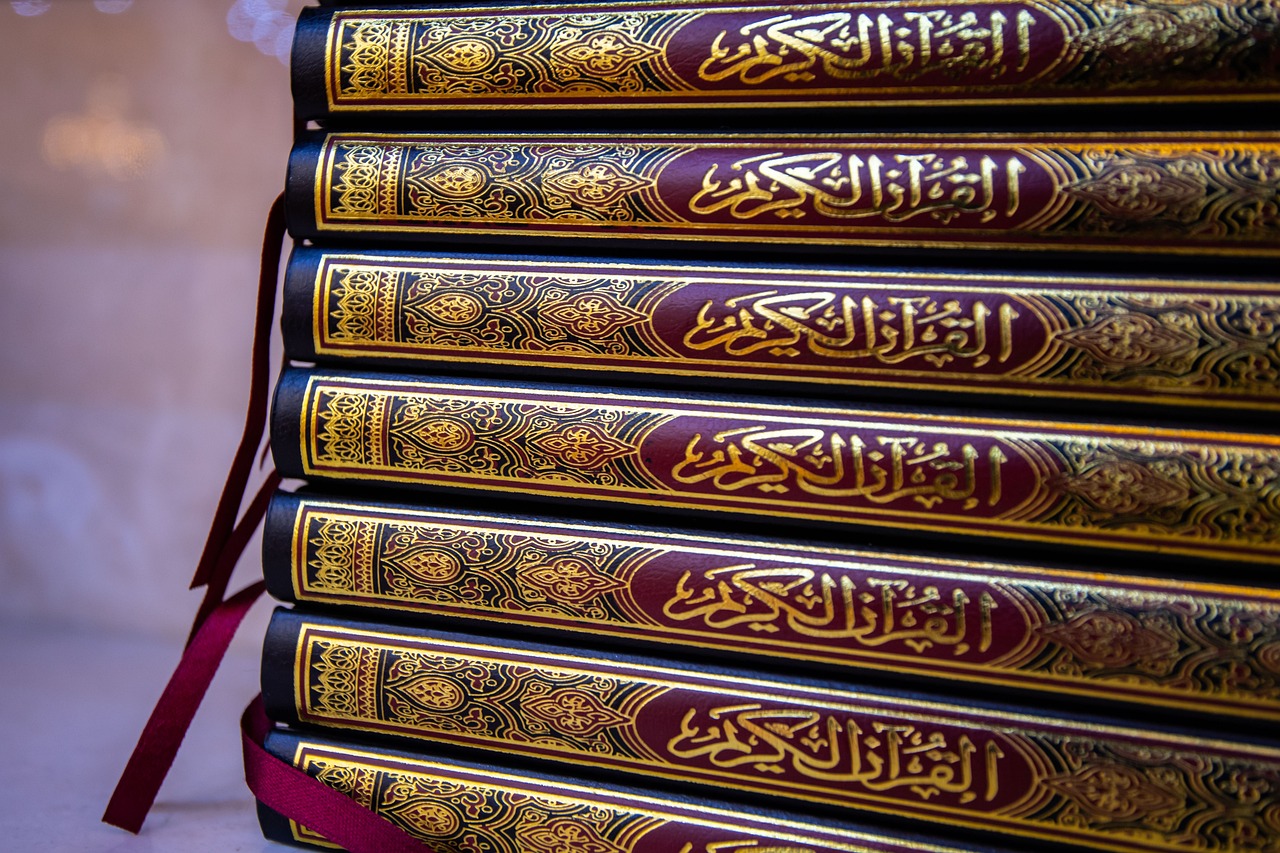

     

  • Tafsir vs. Translation: Understanding the Difference

    Tafsir vs. Translation: Understanding the Difference

    When engaging with the Quran, many people are faced with the choice of either reading a Tafsir or a translation of the Quran. Both have their value, but they serve different purposes in understanding the sacred text. In this blog, we’ll explore the difference between Tafsir and translation, why it matters, and how each can help you gain a deeper understanding of the Quran.

    What is Translation?

    Translation refers to the process of converting the words of the Quran from Arabic into another language so that non-Arabic speakers can understand the meaning of the text. It is an essential tool for those who are not familiar with the Arabic language, as it allows them to access the Quran’s messages in their native languages.

    However, translations are not always perfect. Translating from Arabic to any other language can be challenging because languages have different structures and nuances. A translator must find words in the target language that most closely match the original Arabic, but this doesn’t always convey the exact meaning or depth of the Quranic message.

    Many translators attempt to stay as faithful as possible to the Arabic text, but some subtleties of the Quran’s meaning, especially in terms of context, cultural understanding, and linguistic structure, can be lost in translation. While a Quran translation provides valuable access to the Quran’s core message, it can never fully replicate the richness of the original Arabic.

    What is Tafsir?

    Tafsir refers to the exegesis or interpretation of the Quran. It involves explaining the meanings behind the verses, the historical context, the reasons behind their revelation, and how they should be applied in the modern world. Unlike simple translations, Tafsir provides a deep dive into the Quranic text, aiming to clarify not only the apparent meaning but also the underlying messages, as well as the linguistic intricacies of the original Arabic.

    Tafsir often includes references to the Hadith (sayings of Prophet Muhammad) and the opinions of early Islamic scholars. It interprets difficult or ambiguous verses, highlights the connection between different parts of the Quran, and explores the historical and theological background behind the verses. A Tafsir can also help explain any variations in meaning across different Quranic translations.

    Tafsir thus takes translation a step further by providing comprehensive commentary that aims to convey the deeper spiritual and moral lessons of the Quran, making it a valuable resource for those looking to understand the Quran in its fullest sense.

    Key Differences Between Tafsir and Translation

    1. Depth of Understanding


      A translation simply converts the Quran’s words into another language, whereas Tafsir provides detailed explanations of the verses and their meanings. The goal of a Tafsir is to ensure that readers not only understand the literal meaning but also the context and the moral lessons behind the verses.

    2. Contextualization


      Translation may be helpful in understanding the surface-level meaning of the Quran, but it doesn’t always explain the historical context in which a verse was revealed. Tafsir, on the other hand, provides the necessary context, explaining the circumstances, events, and reasons for the revelation of specific verses. This contextual understanding helps readers to apply the teachings of the Quran to their lives today.

    3. Interpretation


      Tafsir is an interpretation that considers the nuances of the Arabic language, the style of the Quranic text, and the various layers of meaning. A Quran translation is limited to providing the most accurate equivalent of words and phrases, but it may miss the subtleties that are present in the original Arabic. For example, certain Arabic words carry multiple meanings depending on their usage, and Tafsir helps to explain these layers of meaning.

    4. Language and Structure


      A translation of the Quran often does not capture the eloquence, rhythm, and poetic nature of the Arabic language, which is considered one of the greatest miracles of the Quran. Tafsir doesn’t attempt to translate the Quran word-for-word but instead focuses on providing clarity and understanding of the deeper message behind the verses.

    5. Use for Personal Reflection


      While a translation of the Quran is suitable for those who want a straightforward understanding of the text, Tafsir is more suited for individuals looking for guidance on how to live their lives in accordance with the Quran’s teachings. It helps readers reflect on the moral and ethical implications of Quranic verses.

    Why Does It Matter?

    Understanding the difference between Tafsir and translation is important because it shapes how you approach studying the Quran. If your goal is simply to understand the basic meaning of the Quran, a Quran translation will serve your purpose. However, if you wish to gain a deeper understanding, explore the historical and contextual meaning, and learn the lessons embedded within the text, then Tafsir is the resource you need.

    Tafsir also plays a crucial role in guiding Muslims on how to apply the Quran’s teachings in their lives. The interpretation of the Quran can often provide specific answers to modern-day questions, offering insights into how the verses can be applied to contemporary issues such as social justice, ethics, and personal development. This level of reflection and analysis is not found in basic translations.

    Additionally, Tafsir is essential for understanding the complexities of the Quran’s verses, especially those that appear to have ambiguous or contradictory meanings. Tafsir helps reconcile these differences, providing coherence and a unified understanding of the Quran’s message.

    When Should You Use a Translation, and When Should You Turn to Tafsir?

    If you’re a beginner or someone who doesn’t know Arabic, a Quran translation is a helpful starting point. It will give you an initial understanding of the Quran’s messages. However, for those who are serious about deeply understanding the Quran, Tafsir is crucial. Tafsir allows you to explore the Quran’s teachings at a deeper level, connecting you to the wisdom of the early Islamic scholars and providing you with the tools to apply its lessons to your life.

    To truly engage with the Quran and learn how to incorporate its messages into your daily life, it’s essential to study both a translation and a Tafsir. You can begin with a Quran translation to get a basic understanding and then move on to Tafsir for a richer, more nuanced comprehension.

    Choosing the Right Resources for Learning

    If you’re looking for Tafsir online classes, or you want to study in-depth, many platforms offer Tafsir courses that explain Quranic verses in simple terms. You can also find Quran translation resources online, but it’s essential to choose ones that are accurate and reliable. For a comprehensive approach to Quranic study, enrolling in a Tafsir course or seeking out Tafsir online tutors is a great way to deepen your understanding of the Quran and its teachings.

    Conclusion

    In conclusion, both Tafsir and translation are invaluable tools for engaging with the Quran. Tafsir provides a deeper understanding by explaining the meanings and contexts behind the verses, while a Quran translation offers a more straightforward path to understanding the basic messages. 

    When studying the Quran, it’s crucial to recognize the difference between the two, as this distinction allows you to gain a fuller, richer understanding of the text. If you’re interested in exploring Tafsir further, we offer Tafsir online courses that can help guide you through the intricate details of the Quran’s teachings. Whether you’re just starting or looking to expand your knowledge, Tafsir courses online provide the support you need to gain a deep connection with the Quran.

    FAQs

    1. What is the difference between Tafsir and Translation?
      Tafsir involves the interpretation and explanation of the Quran, providing deeper insights, context, and meanings of the verses, while translation simply converts the Quran’s Arabic text into another language, offering a basic understanding.
    2. Can a translation of the Quran be enough to understand its full meaning?
      While a Quran translation gives a basic understanding, Tafsir is necessary for a deeper understanding of the historical context, moral lessons, and intricate meanings of the verses.
    3. Why is Tafsir important for understanding the Quran?
      Tafsir provides clarity on the intended meaning of Quranic verses, especially those with multiple interpretations or ambiguous meanings, making it essential for comprehensive understanding.
    4. How can I learn Tafsir?
      You can learn Tafsir through Tafsir online courses or by seeking out qualified Tafsir online tutors who can guide you through the interpretation of Quranic verses.
    5. Is translation enough for understanding Quranic teachings?
      While translation is helpful for basic understanding, Tafsir is necessary to truly understand the context, reasons behind revelations, and the lessons that apply to modern life.


  • Quran Memorization: A Spiritual Journey with Al Syed Quranic’s Online Course

    Quran Memorization: A Spiritual Journey with Al Syed Quranic’s Online Course

    In the fast-paced world we live in today, where technology and information shape our daily lives, there remains a timeless and sacred pursuit that continues to inspire millions around the globe, memorizing the Quran. Known as Hifz al-Quran, this noble journey is more than a mental exercise; it is a deeply spiritual experience that connects the heart of the believer to the divine words of Allah.

    Thanks to the advancement of digital learning platforms, Quran memorization is no longer confined to traditional madrasas or physical classrooms. Now, anyone with sincerity and commitment can embark on this life-changing journey through Quran memorization courses online. One of the most trusted and academically rich platforms offering this sacred service is Al Syed Quranic, a leading provider of structured and personalized Quran Hifz courses designed for learners of all ages and levels.

    This blog explores the significance of Quran memorization, the challenges and rewards it entails, and how Al Syed Quranic’s online course makes it possible for you or your child to become a Hafiz of the Quran, from the comfort of your home.

    The Timeless Importance of Quran Memorization

    The Quran is not just a book; it is the unaltered word of Allah, preserved in its purest form for over 1400 years. The miracle of its preservation lies not only in the written Mushaf but more importantly, in the hearts of millions of Muslims who have memorized it in its entirety.

    Allah says in the Quran:

    “Indeed, it is We who sent down the Qur’an and indeed, We will be its guardian.”
    ,  (Surah Al-Hijr, 15:9)

    This divine promise of preservation is fulfilled by generations of Huffaz (plural of Hafiz), who serve as living vessels of the Quran. Memorizing the Quran is not just an intellectual task; it is an act of devotion, discipline, and submission to the will of Allah.

    Historically, children as young as 5 or 6 have memorized the Quran, but the door of Hifz is never closed to anyone. Whether you are a young student, a busy professional, or a parent looking to guide your child in the path of deen, the opportunity is yours to seize.

    The Modern Solution: Quran Memorization Course Online

    With the evolution of e-learning, traditional boundaries that once limited access to Islamic education are rapidly disappearing. Now, platforms like Al Syed Quranic have made it entirely feasible to pursue a full-fledged Quran memorization course online with the same level of discipline, attention, and spiritual depth as an in-person class.

    Here’s what makes their course stand out:

    1. Structured Curriculum

    One of the biggest hurdles in self-memorization is lack of structure. Al Syed Quranic offers a meticulously designed Quran Hifz course that is tailored to the student’s pace and ability. The curriculum breaks down the memorization into manageable daily, weekly, and monthly targets, ensuring steady progress.

    2. Qualified Quran Hifz Tutors

    A successful Hifz journey depends heavily on the guidance of a skilled and compassionate Quran Hifz tutor. At Al Syed Quranic, tutors are not only certified Huffaz but also trained educators. They bring patience, encouragement, and Islamic etiquette into every session.

    The one-on-one attention in these Quran online classes allows students to ask questions, repeat difficult verses, and receive immediate correction, something that’s often missing in group-based learning environments.

    3. Flexibility and Accessibility

    Whether you live in a remote area or have a tight schedule due to work or studies, the online nature of the course ensures you can learn at a time and pace that suits you. All you need is a device and internet connection.

    This flexibility has been particularly beneficial for Muslim families living in non-Muslim countries where access to qualified Islamic teachers may be limited. Now, they can ensure their children receive quality Quranic education without compromise.

    What to Expect in a Quran Hifz Course

    Memorizing the Quran is a long-term commitment, and like any serious endeavor, it comes with its own set of challenges and rewards. A professional Quran Hifz course like the one offered by Al Syed Quranic prepares students for every step of the journey.

    Daily Lessons and Revision

    Students typically start by memorizing small portions (like a few lines or an ayah) each day. A good tutor ensures that past lessons are constantly revised, so nothing is forgotten. The rule is simple: memorization is only as strong as its revision.

    Focus on Tajweed

    Proper pronunciation is a non-negotiable aspect of Quran recitation. The course integrates Tajweed rules into every session, so students don’t just memorize, they recite correctly, as it was revealed.

    Motivation and Spiritual Growth

    Unlike secular studies, the goal of Quran memorization is not to pass an exam but to grow spiritually. Tutors frequently remind students of the virtues of becoming a Hafiz, such as intercession for family members on the Day of Judgment, elevated status in Jannah, and earning the title of “Companion of the Quran.”

    The Role of a Quran Hifz Tutor in Your Journey

    A qualified Quran Hifz tutor is more than an instructor, they are a mentor, a role model, and a source of spiritual strength. They not only correct mistakes but also uplift your spirit when motivation dips. In many cases, a student’s success or failure in memorization depends on the relationship they build with their tutor.

    Al Syed Quranic ensures that every tutor is carefully vetted not just for their academic qualifications, but for their adab (Islamic manners), teaching experience, and ability to connect with students.

    The platform also offers options to choose a male or female tutor, depending on your comfort level and preference, making it especially family-friendly for young learners and sisters.

    Overcoming the Challenges of Memorization

    Many students begin their memorization journey full of zeal, but challenges such as forgetting earlier portions, time management, or struggling with pronunciation can demotivate them.

    This is where a Quran memorization course online proves its worth. Tutors are trained to spot early signs of difficulty and address them before they become long-term setbacks. Whether it’s adjusting the pace, changing memorization techniques, or offering spiritual reminders, the right support can make all the difference.

    Moreover, the online format provides unique tools such as digital flashcards, audio recordings, and performance tracking dashboards to make the process interactive and engaging.

    The Spiritual Rewards of Hifz

    Before we conclude, it’s worth revisiting why so many people around the world dedicate years of their life to memorize the Quran:

    • Closeness to Allah: You engage daily with the divine words of Allah.

    • Intercession on the Day of Judgment: A Hafiz can intercede for ten family members.

    • Status in Paradise: The Prophet Muhammad ﷺ said, “It will be said to the companion of the Qur’an: ‘Recite and ascend, and measure your ascension with every verse you used to recite in the world.’” (Tirmidhi)

    • Unmatched Barakah: The Quran brings blessings in your time, memory, family, and wealth.

    The rewards are immense, but so are the efforts. That’s why choosing the right course, with the right tutors and structure, is essential.

    Start Your Hifz Journey with Al Syed Quranic

    In a world full of distractions, memorizing the Quran offers a path to spiritual clarity, discipline, and purpose. And now, with platforms like Al Syed Quranic, the barriers to accessing high-quality Islamic education are being eliminated.

    Whether you’re a parent seeking the best Islamic foundation for your child, or an adult who has always dreamed of memorizing the Quran, Al Syed Quranic’s Quran memorization course online offers the perfect opportunity.

    Our qualified Quran Hifz tutors, structured lesson plans, flexible scheduling, and emphasis on spiritual growth make this program ideal for learners from all walks of life. With our expert guidance and your commitment, becoming a Hafiz of the Quran is not just a dream, it’s a destination within reach.

    Start your journey today with Al Syed Quranic. Let the words of Allah settle not just in your mind, but in your heart.

    FAQs:

    1. What is the duration of the Quran memorization course online?

    The duration varies based on the student’s pace, age, and commitment. On average, it may take 2–4 years to complete full Hifz, with customized plans available.

    2. Who can enroll in Al Syed Quranic’s Quran Hifz course?

    Anyone, children, teens, and adults, can enroll. The course is designed for all levels, whether you’re starting fresh or continuing where you left off.

    3. Are the Quran Hifz tutors qualified?

    Yes. All tutors are certified Huffaz, experienced in Tajweed, and trained in effective teaching methods for online Quran memorization.


  • Islamic Counseling vs Traditional Therapy Differences and Benefits

    In today’s world, mental health awareness has significantly increased, and many individuals are seeking ways to improve their emotional and psychological well-being. For some, traditional therapy, with its foundation in Western psychology, is a go-to solution. Others, especially within the Muslim community, may find comfort in seeking guidance through Islamic counseling, a practice rooted in Islamic teachings and values. While both approaches aim to promote emotional well-being, they differ in their philosophy, techniques, and the way they view the mind, body, and spirit.

    In this article, we will explore the key differences between Islamic counseling and traditional therapy, along with the unique benefits each approach provides. We will also examine how Islamic counseling courses can help individuals understand these differences and how they can be applied in real-life scenarios.

    What is Traditional Therapy?

    Traditional therapy, also known as psychotherapy or counseling, is primarily based on Western psychological theories and methods. It involves a range of therapeutic approaches designed to address mental health issues, emotional problems, and behavioral patterns. Some of the most common forms of traditional therapy include:

    • Cognitive Behavioral Therapy (CBT): Focuses on changing negative thought patterns and behaviors. 
    • Psychodynamic Therapy: Explores the unconscious mind and past experiences to understand current behavior. 
    • Humanistic Therapy: Encourages self-exploration and personal growth. 
    • Dialectical Behavioral Therapy (DBT): Helps individuals regulate emotions and improve interpersonal relationships.

    In traditional therapy, the therapist is typically seen as an expert who listens to the client’s concerns, analyzes their issues, and provides strategies for coping with life’s challenges.

    What is Islamic Counseling?

    Islamic counseling, on the other hand, is a therapeutic approach deeply rooted in Islamic principles and values. It seeks to guide individuals toward emotional and spiritual wellness, using Islamic teachings from the Qur’an and Hadith (sayings of Prophet Muhammad, PBUH). Unlike traditional therapy, which often focuses on the individual’s mind and behaviors, Islamic counseling aims to nurture both the mind and the soul.

    In Islamic counseling, the counselor encourages the client to turn to Allah (God) for guidance, fostering trust in divine wisdom and mercy. It combines modern psychological techniques with Islamic principles such as the concept of Tawhid (the Oneness of God), the role of prayer and remembrance of Allah (dhikr), and the importance of community support. The goal is not only emotional healing but also spiritual growth, helping individuals align their lives with Islamic teachings.

    Key Differences Between Islamic Counseling and Traditional Therapy

    1. Philosophical Foundation

    The main difference between Islamic counseling and traditional therapy lies in their underlying philosophy.

    • Islamic counseling is based on the belief that true healing and peace come from Allah alone. It acknowledges the importance of divine wisdom and considers the role of faith and spirituality in healing. A counselor may guide a client to connect with Allah through prayer, supplication, and remembrance, as well as through trust in Allah’s plan. 
    • Traditional therapy, on the other hand, is largely secular and does not incorporate religious or spiritual elements. It focuses on addressing the mental and emotional aspects of the individual, using scientific principles of psychology. The approach is often human-centered, with the assumption that individuals have the capacity to heal themselves through introspection, therapeutic strategies, and behavioral change. 

    2. Approach to Mental Health

    • Islamic counseling treats mental health as a holistic condition that encompasses both the mind and the spirit. It encourages individuals to find balance through faith, prayer, and connection with Allah. It emphasizes that spiritual well-being is just as important as emotional well-being. The goal is not just to address emotional distress but to foster spiritual growth and alignment with Islamic teachings. 
    • Traditional therapy primarily focuses on the psychological and emotional aspects of mental health. It addresses specific issues like anxiety, depression, stress, and trauma, often through behavioral techniques. Traditional therapy relies on methods like Cognitive Behavioral Therapy and Psychodynamic Therapy, which are grounded in understanding human behavior, thought patterns, and emotions. It generally does not consider spiritual factors unless the client personally brings them into the therapy session. 

    3. Role of Faith

    Faith plays a central role in Islamic counseling. Counselors encourage clients to turn to Allah for strength, healing, and guidance. Practices like prayer, fasting, and charity are often used as tools to help clients cope with emotional challenges. For Muslims, turning to faith provides comfort and a deeper sense of purpose, as their challenges are seen as part of Allah’s divine plan.

    In traditional therapy, faith is generally not incorporated unless the client specifically chooses to do so. While therapists may acknowledge and respect the client’s religious beliefs, traditional therapy tends to focus more on psychological concepts and does not directly integrate religious practices.

    4. Cultural Sensitivity

    • Islamic counseling is inherently culturally sensitive as it aligns with Islamic values and practices. It respects the unique challenges Muslims may face, such as the pressure to maintain religious obligations while dealing with modern-day challenges. Counselors in this field are often aware of the cultural context and are trained to provide support that aligns with both Islamic teachings and the client’s personal experiences. 
    • Traditional therapy can also be culturally sensitive, but it may not always fully understand or respect the nuances of a client’s religious and cultural background. Therapists from secular backgrounds may be less familiar with Islamic teachings and may not be able to address spiritual concerns in the same way that an Islamic counselor would. 

    5. Therapeutic Techniques

    • Islamic counseling integrates Islamic practices such as prayer, dhikr (remembrance of Allah), reading the Qur’an, and engaging in charitable activities. These practices help individuals find peace and comfort while dealing with life’s challenges. Additionally, modern psychological techniques, such as Cognitive Behavioral Therapy (CBT) and mindfulness, are adapted to align with Islamic values. 
    • Traditional therapy uses well-established therapeutic methods, such as Cognitive Behavioral Therapy, Psychodynamic Therapy, and Humanistic Therapy, to address mental health issues. These approaches do not typically involve religious practices and focus more on helping individuals understand their emotions, thoughts, and behaviors. 

    Benefits of Islamic Counseling

    1. Spiritual Alignment: One of the most significant benefits of Islamic counseling is its ability to help individuals align their emotional and spiritual lives. By incorporating religious principles into the healing process, clients can find comfort in their faith and develop a deeper connection with Allah. 
    2. Culturally Relevant: For Muslims, Islamic counseling offers a more culturally and religiously relevant approach to therapy. It respects Islamic values, which can help clients feel more comfortable and understood in their therapeutic journey. 
    3. Holistic Healing: Islamic counseling focuses on both the mind and the soul, encouraging a balanced approach to mental health. Clients are encouraged to nurture their spiritual, emotional, and psychological well-being simultaneously. 
    4. Comprehensive Understanding of Human Nature: Islamic counseling offers a more comprehensive understanding of human nature, acknowledging that emotional struggles are not merely a product of psychological factors but also a result of one’s spiritual state. It offers solutions that are deeply rooted in Islamic teachings. 
    5. Emphasis on Community Support: Islamic counseling often encourages individuals to seek support from their community, family, and religious leaders. This communal aspect is particularly beneficial for emotional well-being, as it provides a strong support system.

    Benefits of Traditional Therapy

    1. Evidence-Based Techniques: Traditional therapy uses scientifically supported techniques that have been proven to help individuals manage a variety of mental health issues, such as depression, anxiety, and PTSD. 
    2. Structured Framework: Traditional therapy often follows a structured approach that includes defined therapeutic goals, timelines, and interventions. This framework can be very effective for those who prefer a more organized and goal-oriented approach to their mental health. 
    3. Emotional Regulation: Through techniques like Cognitive Behavioral Therapy (CBT), traditional therapy helps individuals identify negative thought patterns and replace them with healthier, more balanced thoughts. This can be very effective for managing conditions like anxiety and depression. 
    4. Focus on Self-Reflection: Traditional therapy encourages individuals to reflect on their thoughts, behaviors, and past experiences, leading to greater self-awareness and personal growth. 
    5. Broad Accessibility: Traditional therapy is widely available, with many licensed therapists offering services in person or online, making it accessible to individuals from all walks of life.

    Islamic Counseling Courses and Training

    For individuals interested in pursuing a career in Islamic counseling, several Islamic counseling courses are available online. These courses combine Islamic teachings with modern psychological techniques to offer a unique and comprehensive approach to counseling.

    By enrolling in these courses, individuals can learn how to incorporate Islamic principles into therapeutic practices while also understanding how to use evidence-based psychological methods. The skills gained from these courses can help individuals provide culturally relevant, faith-based counseling to those seeking emotional and spiritual healing.

    FAQs

    1. What is the difference between Islamic Counseling and Traditional Therapy?

    Islamic counseling integrates Islamic teachings and practices, such as prayer and remembrance of Allah, with modern psychological techniques. Traditional therapy, on the other hand, focuses primarily on psychological methods and does not typically include religious practices.

    2. What are the main benefits of Islamic Counseling?

    Islamic counseling offers spiritual alignment, a holistic approach to mental health, cultural sensitivity, and emotional healing through Islamic principles. It encourages individuals to connect with Allah for guidance and uses Islamic practices to support emotional well-being.

    3. Can I take an online course in Islamic Counseling?

    Yes, many Islamic counseling courses are available online, allowing individuals to learn how to combine Islamic principles with modern therapeutic techniques for effective counseling practices.

  • How Islamic Courses Enhance Moral and Ethical Development

    How Islamic Courses Enhance Moral and Ethical Development

    Islamic studies have long been regarded as an essential part of a person’s educational journey, not only for understanding the teachings of Islam but also for shaping the moral and ethical character of individuals. In today’s fast-paced world, where ethical dilemmas and moral confusion are becoming increasingly common, Islamic education provides a steady and clear foundation for developing a strong moral compass. This article explores how Islamic studies play a significant role in enhancing moral and ethical development and the different ways these teachings are being made accessible through platforms such as Islamic courses online, Islamic tutors online, Quran courses USA, and Islamic classes online.

    The Foundation of Islamic Ethics

    Islamic studies delve deeply into the teachings of the Quran and the Hadith (the sayings and actions of the Prophet Muhammad). These two primary sources of guidance are rich in moral lessons and principles that shape the behavior of Muslims. The Quran emphasizes the importance of good character, kindness, honesty, and humility, while the Hadith further elaborates on how these virtues can be applied in daily life.

    When individuals learn Islamic teachings, they are not just memorizing religious facts; they are being introduced to a way of life that prioritizes moral behavior. This emphasis on ethics can significantly shape the way a person interacts with the world, influencing their decisions, actions, and relationships.

    For instance, the Quran stresses the importance of justice and equality. Surah Al-Baqarah (2:286) mentions, “Allah does not burden a soul beyond that it can bear.” This teaching reminds individuals to treat others fairly and justly, as we all have our challenges and limitations. Understanding this verse can encourage students to be empathetic, compassionate, and understanding in their personal and professional lives.

    Developing Good Character

    Islamic studies also focus heavily on developing good character traits. The Prophet Muhammad (PBUH) said, “The best of you are those who have the best manners and character.” (Sahih Bukhari). This hadith highlights the importance of character in Islam. When people engage in Islamic studies, they are taught to embody qualities like patience, perseverance, humility, generosity, and honesty.

    As a result, students of Islamic studies often grow into individuals who are more conscious of their actions and their impact on others. This awareness leads to personal growth and improvement, as students learn to recognize the importance of embodying these qualities both in their private and public lives. It encourages them to treat others with respect, be truthful in their dealings, and show kindness, all of which are essential for personal and societal well-being.

    Ethics in Daily Life

    One of the most significant ways Islamic studies enhance moral development is by providing practical guidance on how to live ethically in daily life. Islam does not just provide abstract moral ideals but offers specific instructions on how to live in accordance with these principles.

    For example, in business dealings, Islam encourages honesty and fairness. The Quran states, “And do not consume one another’s wealth unjustly or send it [in bribery] to the rulers in order that [they might aid] you [to] consume a portion of the wealth of the people in sin, while you know [it is unlawful]” (Surah Al-Baqarah 2:188). This verse teaches individuals to avoid dishonest practices like cheating, bribery, or exploitation.

    Similarly, Islamic studies emphasize the importance of family ties, the rights of parents, and the need to support the less fortunate. Surah Al-Isra (17:23) says, “And your Lord has decreed that you not worship except Him, and to parents, good treatment.” These principles instill a sense of responsibility, care, and respect for one’s family and community, which are foundational to ethical living.

    Accountability and Self-Reflection

    A core component of Islamic studies is the understanding of accountability in this life and the Hereafter. Islam teaches that every individual is accountable for their actions before Allah, and this sense of responsibility instills a strong moral framework. Students of Islamic studies learn that their actions, no matter how small, have consequences, and that Allah is always aware of their deeds.

    This understanding encourages individuals to act responsibly, think critically about their actions, and reflect on their behavior. It promotes self-discipline and encourages individuals to live ethically even when no one is watching. Such accountability fosters a strong internal moral compass that helps individuals navigate the complexities of life with integrity.

    Developing Empathy and Compassion

    Islamic studies also help individuals develop empathy and compassion for others. The Quran encourages Muslims to care for the poor, support the oppressed, and show kindness to others. Surah Al-Baqarah (2:177) emphasizes this, stating, “It is not righteousness that you turn your faces toward the East or the West, but righteousness is in one who believes in Allah, the Last Day, the Angels, the Book, and the Prophets, and gives his wealth in charity to those in need…”

    By learning about these teachings, students of Islamic studies develop a deep sense of empathy and compassion. They are taught to care for the well-being of others, regardless of their background, ethnicity, or religion. This sense of compassion extends beyond family and friends to society as a whole, motivating individuals to engage in charitable actions, volunteer work, and support for those in need.

    How Islamic Courses Are Accessible Online?

    In today’s digital age, accessing Islamic education has become easier than ever before. Thanks to platforms offering Islamic courses online, more and more people can engage with Islamic studies from the comfort of their homes. Whether you are looking to learn about the Quran, Islamic ethics, or the life of the Prophet Muhammad, Islamic courses online provide an opportunity to study at your own pace and convenience.

    For those seeking more personalized guidance, Islamic tutors online are available to help students with specific questions, provide one-on-one sessions, and offer tailored learning experiences. With the help of an Islamic tutor online, students can deepen their understanding of complex topics and get personalized feedback to enhance their learning experience.

    For individuals in the USA and beyond, Quran courses USA are an excellent option for those who want to study the Quran in-depth. These courses often include Tajweed (proper pronunciation of Quranic verses) and Tafsir (explanation of the Quran), which are crucial for understanding the deeper meanings of the Quran. Whether you are a beginner or an advanced student, Quran courses USA offer something for everyone.

    Furthermore, Islamic classes online cater to those who prefer a structured learning environment that includes a variety of subjects, such as Islamic history, jurisprudence, and ethics. These courses provide the necessary resources, support, and community for students to thrive in their studies.

    Al Syed Quranic’s Role in Your Journey

    At Al Syed Quranic, we are committed to offering comprehensive Islamic education that fosters moral and ethical development. Our Islamic courses online are designed to provide you with a thorough understanding of the Quran, Islamic teachings, and essential life skills. We offer personalized learning experiences through Islamic tutors online, ensuring that every student receives the support they need to succeed.

    We understand the importance of developing good character and ethical values, which is why our programs are centered around nurturing the qualities that make a person not just a knowledgeable Muslim but also a compassionate and ethical individual. Whether you are looking for Quran courses USA or Islamic courses online, Al Syed Quranic offers a wide range of courses tailored to your needs and goals.

    With our expert instructors and comprehensive online resources, you can embark on your journey to moral and spiritual development, no matter where you are in the world. Let Al Syed Quranic guide you in cultivating a strong moral foundation, empowering you to make positive impacts in your life and the lives of those around you.

    FAQs

    1. How do Islamic studies enhance moral and ethical development?
      Islamic studies provide a comprehensive framework for moral and ethical development by teaching core values from the Quran and Hadith. These teachings emphasize honesty, compassion, justice, and integrity, helping students cultivate strong moral principles and good character.
    2. What topics are covered in Islamic courses online?
      Islamic courses online typically cover Quranic studies, Islamic history, Tajweed, Tafsir (Quranic interpretation), Islamic ethics, and the life of Prophet Muhammad. These courses provide a holistic understanding of Islamic teachings, promoting both spiritual and ethical growth.
    3. How can an Islamic tutor online help me in my studies?
      An Islamic tutor online offers personalized guidance to help you understand complex concepts in Islamic studies. Whether you’re learning the Quran, Islamic ethics, or other subjects, an online tutor can offer tailored lessons, answer questions, and ensure you’re progressing at your own pace.


  • Islamic Studies and Its Impact on Interfaith Dialogue

    Islamic Studies and Its Impact on Interfaith Dialogue

    In today’s increasingly globalized world, understanding and respect for different religions and cultures have become more important than ever. With diverse communities living together, interfaith dialogue has become a crucial tool for fostering peace, harmony, and mutual understanding. Islamic studies, with its deep focus on the Quran, Hadith (sayings and actions of the Prophet Muhammad), and Islamic history, play an essential role in facilitating these dialogues. By offering insights into Islamic beliefs, practices, and values, Islamic studies can bridge the gap between different faiths, promote tolerance, and encourage cooperation.

    In this article, we will explore how Islamic studies can positively influence interfaith dialogue, the core principles that guide such dialogues, and how platforms like Islamic courses online, Islamic tutors online, and Quran courses USA make learning about Islam more accessible to people across the world.

    The Role of Islamic Studies in Interfaith Dialogue

    Interfaith dialogue is the exchange of ideas and beliefs between people of different religions. Its primary goal is to foster understanding, respect, and cooperation, especially in a world where religious differences often lead to conflict. Islamic studies help facilitate these dialogues by offering a deeper understanding of the Islamic faith and its teachings.

    Promoting Knowledge and Understanding:

    A critical aspect of interfaith dialogue is the exchange of knowledge. Islamic studies offer an in-depth understanding of Islamic beliefs, practices, and values, making it easier for individuals from other faith backgrounds to engage in meaningful conversations with Muslims. 

    For example, when non-Muslims learn about the core tenets of Islam, like the five pillars, the importance of charity (Zakat), or the concept of social justice, it becomes easier for them to engage in discussions about faith with Muslims without misconceptions or stereotypes.

    Encouraging Respect and Tolerance:

    Islamic studies emphasize respect for all human beings, regardless of their faith or background. The Quran teaches that diversity in religion is part of Allah’s plan, as stated in Surah Al-Hujurat (49:13), “O mankind, indeed We have created you from male and female and made you peoples and tribes that you may know one another.” 

    Understanding this principle helps create a mindset that values and respects people of other religions. Islamic studies encourage Muslims to adopt a respectful and open approach when interacting with individuals from different faiths, which is key to building peaceful relationships.


    Shaping Moral and Ethical Conduct:

    The moral and ethical teachings in Islam guide Muslims in their interactions with others. Islam advocates for justice, kindness, and compassion, which are fundamental to any productive interfaith dialogue. 

    The Quran emphasizes the importance of kindness, as seen in Surah An-Nahl (16:125), which states, “Invite to the way of your Lord with wisdom and good instruction and argue with them in a way that is best.” This verse demonstrates how Islamic studies highlight the need to approach interfaith discussions with wisdom, patience, and humility, ensuring that dialogue remains constructive and peaceful.

    Key Principles of Interfaith Dialogue in Islamic Studies

    Islamic studies provide valuable lessons on how to approach interfaith dialogue based on the teachings of the Quran and Hadith. Here are some key principles that Islamic studies emphasize for successful interfaith communication:

    1. Respect for Diversity:


      The Quran acknowledges the existence of multiple faiths, and it encourages Muslims to engage with others respectfully. Islam teaches that everyone has the right to practice their religion, and it is not for anyone to forcefully convert others. Surah Al-Baqarah (2:256) states, “There shall be no compulsion in religion.” This principle is crucial for interfaith dialogue, as it helps create an atmosphere of freedom and understanding, where people can freely share and learn about different beliefs. 

    2. Emphasis on Commonalities

      :
      Interfaith dialogue becomes more effective when it focuses on the common values shared by different religions. Islamic studies highlight the common ground between Islam and other religions, such as the belief in one God, the importance of charity, and the value of peace. Recognizing these shared values helps create a sense of unity and mutual respect, allowing people from different faiths to connect on a deeper level. 

    3. Promoting Peace and Cooperation

      :
      The Quran and the teachings of Prophet Muhammad emphasize peace, cooperation, and harmonious living. Surah Al-Mumtahanah (60:8) says, “Allah does not forbid you from those who do not fight you because of religion and do not expel you from your homes – from being righteous toward them and acting justly toward them. Indeed, Allah loves those who act justly.” This verse encourages Muslims to live in peace with people of other faiths and to seek cooperation rather than conflict. This principle is fundamental to interfaith dialogue, where the goal is to build bridges and promote mutual understanding. 

    4. Dialogue with Compassion

      :
      Islam teaches Muslims to engage with others with compassion and understanding. The Prophet Muhammad (PBUH) is known for his kindness and empathy towards people of other faiths, as demonstrated through his interactions with Christians and Jews. Islamic studies encourage Muslims to mirror this example, fostering a compassionate approach in interfaith discussions, which can help build trust and resolve differences peacefully. 

    5. The Importance of Knowledge and Education:
      Knowledge is the foundation of interfaith dialogue. Islamic studies equip individuals with the knowledge necessary to engage in thoughtful and informed discussions. For instance, students of Islamic studies learn about the Quran, the life of Prophet Muhammad, Islamic ethics, and Islamic history, all of which help them understand the religion more deeply. This knowledge empowers individuals to approach interfaith dialogue with confidence, offering accurate information and insights that promote mutual understanding.

    Benefits of Islamic Studies in Interfaith Dialogue

    By promoting respect, understanding, and compassion, Islamic studies offer several benefits that contribute to successful interfaith dialogue:

    • Reduced Misunderstandings:
      Many misconceptions about Islam arise due to lack of knowledge. Islamic studies provide accurate information about the religion, helping to dispel myths and address misunderstandings that can arise in interfaith discussions. 
    • Strengthened Relationships:
      When individuals from different faiths understand each other’s beliefs and practices, it strengthens relationships and fosters peaceful coexistence. Islamic studies help build the foundation for these relationships by providing insights into Islamic values and teachings. 
    • Creation of a More Inclusive Society:
      Interfaith dialogue promotes inclusivity and understanding in diverse societies. By learning about Islam through Islamic studies, people from different backgrounds can contribute to creating more inclusive communities that respect and appreciate religious differences.

    How Can You Get Involved in Interfaith Dialogue Through Islamic Studies?

    For those who wish to deepen their understanding of Islam and engage in meaningful interfaith dialogue, there are several ways to get involved. Platforms offering Islamic courses online make it easier for people to learn about Islam from anywhere in the world. Whether you are looking to study the Quran, Islamic history, or Islamic ethics, Islamic courses online offer a flexible learning experience.

    If you’re seeking more personalized instruction, you can take advantage of Islamic tutors online. These tutors can provide one-on-one guidance, helping you gain a deeper understanding of Islamic teachings and how they relate to interfaith dialogue.

    In the USA and other regions, Quran courses USA are available for those who want to study the Quran in-depth, offering valuable insights into its teachings and the principles that guide Islamic interactions with people of other faiths.

    Lastly, Islamic classes online offer structured learning environments where students can explore a range of topics related to Islam, including interfaith dialogue, the importance of respect, and the core ethical teachings of Islam.

    Al Syed Quranic’s Commitment to Interfaith Dialogue

    At Al Syed Quranic, we are passionate about promoting interfaith dialogue through comprehensive Islamic education. Our Islamic courses online and Islamic tutors online make learning about Islam easy and accessible for individuals worldwide. Whether you are in need of personalized one-on-one guidance or a structured class, we offer a range of Quran courses USA and Islamic classes online that can help you gain a deeper understanding of Islamic teachings and their role in fostering peace and cooperation among different faiths.

    We believe that through education, mutual understanding, and respect, we can all contribute to a more peaceful and harmonious world. Join us today and take the first step towards gaining a deeper understanding of Islam and contributing to meaningful interfaith dialogue.

    FAQs

    1. How do Islamic studies impact interfaith dialogue?
      Islamic studies provide a deeper understanding of Islamic beliefs, practices, and values, enabling individuals to engage in meaningful, respectful, and informed interfaith dialogue. By learning about the core principles of Islam, such as respect for diversity, compassion, and justice, participants can approach discussions with empathy and understanding.
    2. What is the role of Islamic education in promoting peace?
      Islamic education emphasizes the importance of peaceful coexistence, mutual respect, and ethical behavior. By learning about Islamic teachings, individuals can foster greater understanding, tolerance, and cooperation between different religious communities, helping to promote peace and harmony.
    3. How can Islamic studies help in dispelling misconceptions about Islam?
      Islamic studies provide accurate and comprehensive information about Islam, helping to dispel myths and misconceptions. By studying Islamic teachings such as the Quran and Hadith, people can gain a clearer understanding of the religion, which fosters better communication and reduces misunderstandings during interfaith dialogue.
  • Breaking Down the Pillars of Islamic Counseling: Spiritual Wellness

    Breaking Down the Pillars of Islamic Counseling: Spiritual Wellness

    In the modern world, many individuals seek therapy to help manage emotional struggles and mental health issues. Traditional therapy focuses on understanding and managing thoughts, feelings, and behaviors. However, for Muslims, there is an additional dimension that resonates deeply—seeking guidance that aligns with their faith. Islamic counseling offers a unique approach by integrating Islamic teachings with modern psychological techniques, addressing not just the mind, but the soul as well.

    In this guide, we will explore the core principles of Islamic counseling, its benefits, and how it can lead to emotional and spiritual wellness. We will also highlight the significance of aligning one’s emotional health with spiritual practices and faith-based principles.

    What is Islamic Counseling?

    Islamic counseling is a form of therapy that integrates the teachings of Islam with modern therapeutic practices. It aims to provide individuals with a pathway to mental, emotional, and spiritual wellness, recognizing that the mind and soul are intricately connected. Unlike traditional counseling methods that might focus purely on psychological concepts, Islamic counseling takes into account the person’s belief system, their relationship with Allah, and their understanding of Islamic values. It provides a culturally sensitive approach for Muslims, rooted in the principles of the Qur’an, Hadith (Prophet Muhammad’s sayings), and the rich tradition of Islamic scholarship.

    The holistic nature of Islamic counseling aims to balance mental health and spiritual well-being. By following the guidance of Islamic principles, individuals are encouraged to seek personal growth and healing while remaining connected to their faith.

    The Core Pillars of Islamic Counseling

    Islamic counseling is built upon several key pillars that make it distinct from other counseling approaches. These pillars draw from Islamic teachings and provide a framework that addresses both spiritual and emotional health. Let’s break them down:

    1. Tawhid (Oneness of Allah)

    The foundational belief in the oneness of Allah, known as Tawhid, is the core principle of Islamic counseling. It reminds the individual that all healing and peace come from Allah alone. A counselor helps clients reconnect with their Creator, emphasizing the importance of relying on Allah’s wisdom and mercy when facing life’s challenges. Understanding Tawhid means recognizing that Allah is the ultimate source of peace, guidance, and comfort. This principle encourages trust in Allah’s plan, offering individuals the strength to navigate their struggles with patience and faith.

    When clients face personal difficulties, whether in relationships, career, or health, Islamic counseling teaches them to place their trust in Allah and acknowledge that their struggles may have divine wisdom behind them. This belief brings comfort and a sense of tranquility, as they know they are never alone in their trials.

    2. Understanding the Nafs (Self)

    In Islamic counseling, much emphasis is placed on understanding the concept of the nafs, which refers to the self or soul. Islamic scholars categorize the nafs into three stages:

    • Nafs al-Ammara (The Commanding Self): This stage represents the soul’s desires, temptations, and base instincts. It is driven by materialism, greed, and selfishness. 
    • Nafs al-Lawwama (The Blaming Self): This is the conscience that holds a person accountable for their actions. The individual begins to realize their mistakes and feels regret for past actions. 
    • Nafs al-Mutma’inna (The Tranquil Self): This is the state of inner peace and contentment. The soul reaches a state of calm and satisfaction, having surrendered to Allah’s will.

    Islamic counseling helps individuals identify where they are on the scale of nafs and works towards guiding them to a state of tranquility. By understanding the nafs, individuals are better equipped to purify their hearts and achieve spiritual peace. The aim is to nurture the nafs al-Mutma’inna, which is the soul at peace with Allah and itself.

    3. The Role of the Qur’an and Hadith

    The Qur’an and Hadith serve as the primary sources of guidance in Islamic counseling. The Qur’an, the holy book of Islam, contains numerous verses that provide wisdom and insight into dealing with life’s challenges. The Hadith, which are sayings of Prophet Muhammad (PBUH), further elaborate on how to navigate through emotional, mental, and spiritual struggles.

    For example, the Qur’an offers comforting words for those in distress:

    “Indeed, with hardship comes ease.” (Qur’an 94:6)

    These verses provide hope and encourage individuals to remain patient, knowing that challenges are a part of life and will eventually lead to ease.

    Similarly, the Hadith provides practical advice on managing emotions, patience, and interpersonal relationships. Islamic counseling uses these teachings to help clients understand their feelings and guide them towards better coping strategies. For instance, Prophet Muhammad (PBUH) taught that if someone is feeling overwhelmed, they should turn to prayer and remembrance of Allah to find peace and calm.

    4. Integration of Modern Psychological Techniques

    While deeply rooted in Islamic teachings, Islamic counseling does not shy away from using modern psychological tools and techniques. This integration allows for a more effective approach to mental health. Methods such as Cognitive Behavioral Therapy (CBT), mindfulness, and solution-focused therapy are adapted to align with Islamic values.

    For instance, in CBT, individuals are encouraged to challenge negative thought patterns. In Islamic counseling, this is done with the understanding that one’s thoughts should always be aligned with the teachings of Islam, avoiding despair and fostering hope in Allah’s mercy. Similarly, mindfulness practices in Islamic counseling are rooted in the concept of dhikr (remembrance of Allah), where clients practice being present in the moment, reflecting on their inner state and connecting with Allah.

    5. Emphasis on Community and Support

    In Islam, the concept of community (ummah) is essential. Islamic counseling stresses the importance of seeking support within the community and fostering healthy relationships. The Prophet Muhammad (PBUH) emphasized the importance of mutual support among believers.

    Islamic counseling encourages individuals to turn to their families, friends, and community members for emotional and spiritual support. The counselor may guide the client in nurturing these relationships and ensuring that they have a solid support system. This communal support helps reduce feelings of isolation and promotes healing.

    The Benefits of Islamic Counseling

    Islamic counseling offers numerous benefits for individuals seeking mental and emotional healing. These benefits include:

    • Spiritual Healing: Islamic counseling helps individuals strengthen their connection with Allah, providing peace and tranquility. 
    • Holistic Approach: By addressing both the mind and soul, Islamic counseling promotes overall well-being. 
    • Cultural Sensitivity: Islamic counseling respects the cultural and religious values of Muslims, making it a more relatable and effective form of therapy. 
    • Self-Awareness: Clients gain deeper insight into their emotions, thoughts, and behaviors, leading to personal growth. 
    • Conflict Resolution: By integrating Islamic principles, individuals can resolve interpersonal conflicts in a manner consistent with their faith.

    How to Pursue Islamic Counseling

    For individuals looking to become counselors or gain knowledge in this field, there are several steps they can take:

    1. Enroll in an Islamic Counseling Course: There are many programs available, both online and in-person, that provide comprehensive training in Islamic counseling. These programs typically cover topics such as Islamic psychology, spiritual guidance, and modern therapeutic techniques. 
    2. Find a Mentor: Seek guidance from experienced counselors who integrate Islamic principles in their practice. 
    3. Engage in Continuous Learning: Counseling is an evolving field. It’s important to stay updated with the latest research and therapeutic methods while remaining grounded in Islamic values. 
    4. Practice Self-Reflection: Counselors should continually assess their own spiritual and emotional state, ensuring they are grounded in their faith before guiding others.

    Al Syed Quranic’s Online Live Islamic Counseling Course

    For those interested in pursuing Islamic counseling, Al Syed Quranic offers an online live course that combines traditional Islamic teachings with modern psychological techniques. This course is designed to provide comprehensive training for individuals looking to gain practical counseling skills rooted in Islamic principles. Whether you are seeking personal development or preparing to help others, this course will equip you with the knowledge and tools to navigate life’s challenges in an Islamic context.

    The course is accessible online, offering flexibility and convenience for busy individuals. With live sessions and interactive learning, participants can engage with instructors and fellow learners, enhancing their learning experience. By the end of the course, you will gain a deeper understanding of Islamic counseling and be ready to help others on their journey to emotional and spiritual wellness.

    If you’re interested in becoming a qualified Islamic counselor, or simply want to deepen your own understanding of how to integrate faith into your mental health, this course is the ideal starting point.

    FAQs

    1. What is Islamic Counseling?

    Islamic counseling is a therapeutic approach that integrates Islamic teachings with modern psychological practices. It aims to promote mental, emotional, and spiritual wellness by aligning the counseling process with Islamic values and faith-based principles.

    2. What are the core pillars of Islamic Counseling?

    The core pillars of Islamic counseling include Tawhid (Oneness of Allah), understanding the Nafs (self), the role of the Qur’an and Hadith, integrating modern psychological techniques, and an emphasis on community and support.

    3. How does Islamic Counseling differ from traditional therapy?

    While traditional therapy focuses primarily on the mind and emotions, Islamic counseling also addresses the spiritual aspects of an individual’s well-being by incorporating Islamic teachings, making it particularly suitable for Muslims who seek faith-based guidan

  • Learn Arabic Language for Non-Native Speakers | Guide

    Learn Arabic Language for Non-Native Speakers | Guide

    Learning a new language is an exciting challenge , a journey that opens your mind to new cultures, new ways of thinking, and new opportunities. The Arabic language is one of the most fascinating in the world. With over 400 million speakers and a rich history that spans thousands of years, it connects you to diverse communities across the Middle East, North Africa, and beyond.

    For non-native speakers, learning Arabic can seem intimidating at first. The script is different, the sounds are unique, and the grammar is unlike English or other European languages. But with the right guidance and a clear plan, anyone can master it.

    This step-by-step guide will walk you through the process, from setting your goals to speaking confidently. Whether you want to read the Quran, travel, work, or simply learn for personal enrichment, this guide will give you a solid starting point.

    Step 1: Define Your Purpose

    Before you open a textbook or start watching videos, ask yourself why you want to learn Arabic. Your motivation will guide your approach and keep you going when the process feels difficult.

    Do you want to understand the Quran? Then Arabic Quran courses might be your focus. Are you learning for work or travel? Then conversational Arabic might take priority. Your reason will influence what vocabulary you learn first, how you study, and which resources you choose.

    A clear goal also helps you measure progress. For example:

    • “I want to read and understand short Quranic verses within 6 months.”
    • “I want to be able to introduce myself and hold a simple conversation in Arabic before my trip.”

    Step 2: Choose the Right Dialect

    Arabic is not just one language , it has many varieties. Modern Standard Arabic (MSA) is the formal version used in books, news broadcasts, and the Quran. Dialects, like Egyptian, Levantine, or Gulf Arabic, are used in daily conversation and vary from country to country.

    If you’re a beginner, it’s best to start with MSA. It gives you a strong foundation for reading and writing, and it’s understood across the Arab world. Later, if you want to live or work in a specific region, you can pick up the local dialect.

    Step 3: Get the Right Learning Resources

    There’s no shortage of Arabic language courses today. You can choose from apps, YouTube channels, textbooks, podcasts, and Arabic language online courses with live teachers.

    If you’re serious about learning, combine different resources:

    • Apps for daily practice and vocabulary.
    • Books for grammar and reading skills.
    • An Arabic teacher for guidance, corrections, and conversation practice.

    Self-study is useful, but having someone correct your mistakes early on prevents bad habits and speeds up your progress.

    Step 4: Learn the Alphabet and Sounds

    The Arabic alphabet has 28 letters and is written from right to left. At first, it might look complex, but with daily practice, you’ll get used to it quickly. Focus on two things in this stage:

    1. Recognizing letters in all positions (beginning, middle, and end of words).
    2. Pronouncing sounds correctly, especially the ones that don’t exist in English.

    Spend at least a week or two mastering the script before diving into words and sentences. This foundation will make the rest of your learning much smoother.

    Step 5: Build Basic Vocabulary

    Start with the essentials , greetings, numbers, days of the week, and simple verbs. If your aim is religious study, begin learning words that appear often in the Quran. If your aim is conversation, focus on daily life terms: food, travel, and common expressions.

    Use flashcards or spaced repetition apps to remember words. Write them down, say them aloud, and try to use them in sentences.

    Step 6: Practice Listening and Speaking from Day One

    It’s tempting to focus on reading and writing first, but language is about communication. Listen to Arabic music, news, or podcasts, even if you don’t understand much at first. Your brain will start recognizing patterns and sounds.

    If possible, join online classes Arabic where you can speak with native speakers. Speaking out loud, even with mistakes, is the fastest way to gain confidence.

    Step 7: Learn Grammar Slowly and Steadily

    Arabic grammar can seem complicated because it’s very different from English. Nouns have gender, verbs change form depending on the subject, and the root system means many words are connected.

    Instead of trying to learn everything at once, focus on one topic each week , for example:

    • Week 1: How to form plurals.
    • Week 2: Past tense verbs.
    • Week 3: Using the definite article “Al-”.

    Structured Arabic language online courses often guide you through grammar in manageable steps so you don’t feel overwhelmed.

    Step 8: Immerse Yourself in the Language

    Immersion is one of the most powerful learning methods. Even if you can’t travel, you can create an Arabic-rich environment at home:

    • Change your phone or social media language to Arabic.
    • Label household objects with their Arabic names.
    • Watch Arabic TV shows or movies with subtitles.

    Over time, your brain will start to think in Arabic without conscious effort.

    Step 9: Review and Reinforce

    It’s easy to forget vocabulary or grammar if you don’t use them regularly. Review past lessons weekly. Use quizzes, write short paragraphs, or have casual chats with your Arabic teacher to keep your skills fresh. Repeating what you’ve learned is not a waste of time, it’s the key to long-term retention.

    Step 10: Stay Patient and Consistent

    Arabic is a rewarding language, but it’s not learned overnight. Consistency matters more than speed. Even 15 minutes a day is better than a long session once a week.

    Celebrate small wins , reading a street sign, understanding a phrase in a song, or completing a Quranic verse without help. These moments keep you motivated.

    Putting It All Together

    Here’s a quick summary of the process:

    1. Set your goals.
    2. Pick a starting dialect (usually MSA).
    3. Gather the right resources.
    4. Learn the alphabet and sounds.
    5. Build essential vocabulary.
    6. Practice listening and speaking early.
    7. Study grammar step-by-step.
    8. Immerse yourself daily.
    9. Review regularly.
    10. Be patient and consistent.

    Learn Arabic with Certified Teachers Anywhere in the World

    While self-study can get you far, there’s nothing like personalized guidance. Our platform offers one-on-one live classes with certified Arabic teachers from across the globe. Whether you want conversational skills, deep Quranic study, or a structured beginner course, we tailor each lesson to your needs.

    You’ll have the flexibility of Arabic language courses from the comfort of your home, the personal attention of a dedicated teacher, and the motivation of real-time progress. Plus, our Arabic Quran courses are perfect for students who want to connect spiritually while improving their language skills.

    FAQs 

    How long does it take for a non-native speaker to learn Arabic?
    The time varies depending on your goals, learning style, and dedication. With consistent effort and structured guidance, many learners can hold basic conversations within 6–12 months.

    Which is better for beginners , Modern Standard Arabic or dialects?
    Modern Standard Arabic (MSA) is ideal for beginners because it’s used in formal settings, media, and the Quran. Once you’re confident, you can pick up a regional dialect for daily conversations.

    Can I learn Arabic online effectively?
    Yes. Many students achieve fluency through Arabic language online courses with live interaction, homework support, and native-speaking teachers.

    Do I need an Arabic teacher to learn the language?

    While self-study can help you get started, working with an Arabic teacher ensures correct pronunciation, faster progress, and personalized feedback.

  • The History of the Arabic Language and Its Quranic Roots

    The History of the Arabic Language and Its Quranic Roots

    The Arabic language is one of the most influential, rich, and beautiful languages in the world. It is the language of poetry, science, history, and most importantly, the language in which Allah revealed the Holy Quran. For millions of Muslims, learning Arabic is not just about communication,it’s about connecting deeply with faith, culture, and centuries of tradition.

    In this article, we will explore the fascinating history of the Arabic language, its development over time, and why it holds such a special place in the Quran. Whether you’re someone taking Arabic language online courses, studying under an Arabic teacher, or thinking about joining Arabic Quran courses, understanding the background of the language will make your learning journey much more meaningful.

    1. Origins of the Arabic Language

    The Arabic language belongs to the Semitic language family, which also includes Hebrew, Aramaic, and Amharic. Scholars believe that the earliest form of Arabic emerged more than 1,500 years ago in the Arabian Peninsula. It started as a collection of dialects spoken by different tribes, each with unique vocabulary, pronunciation, and style.

    Before the Quran’s revelation, Arabic was primarily an oral language. Poetry played a huge role in pre-Islamic Arabia, serving as a way to preserve history, convey wisdom, and show artistic skill. The Arabs valued eloquence, and poets were highly respected in society. This love for language laid the foundation for Arabic’s precision and beauty in later centuries.

    2. Classical Arabic: The Language of the Quran

    When the Quran was revealed to Prophet Muhammad ﷺ in the 7th century, it was delivered in Classical Arabic,a form of Arabic that was both poetic and precise. This was not just the language of daily conversation, but the finest, most eloquent expression of the Arabic tongue.

    The Quran’s style was unlike any poetry or prose of the time. Its structure, rhythm, and word choice were considered miraculous by the Arabs, who were masters of linguistic art. This uniqueness was one of the reasons many recognized it as divine revelation.

    Learning Classical Arabic is essential for anyone wanting to fully appreciate the Quran’s depth. That’s why many Arabic Quran courses focus on grammar (nahw), vocabulary, and rhetoric (balagha) from the Quran itself.

    3. How the Quran Preserved the Arabic Language

    Before Islam, Arabic was not standardized,different tribes had their own spellings and pronunciations. The revelation of the Quran changed everything.

    The companions of the Prophet ﷺ memorized the Quran and recorded it in writing, creating a fixed standard for the language. The script, grammar, and vocabulary of the Quran became the reference point for scholars, writers, and poets.

    Over time, Arabic became the language of Islamic scholarship, law, and science. This influence spread as Islam reached new lands, making Arabic a unifying language for Muslims from different cultures.

    4. Arabic Beyond the Arabian Peninsula

    By the 8th century, Arabic had spread far beyond Arabia. It became the official language of the Islamic empire, from Spain in the west to Central Asia in the east. During the Golden Age of Islam, Arabic was the language of science, medicine, philosophy, and literature.

    Great thinkers like Ibn Sina (Avicenna), Al-Khwarizmi, and Al-Farabi wrote their works in Arabic, preserving and expanding knowledge that would later influence Europe’s Renaissance.

    Even today, many words in English and other languages,like “algebra,” “sugar,” and “cotton”,come from Arabic. This shows the lasting impact of the language on world civilization.

    5. Modern Arabic and Dialects

    Modern Arabic exists in two main forms:

    • Modern Standard Arabic (MSA) – the formal version used in media, education, and official documents.

    • Colloquial Dialects – local variations spoken in different Arab countries, such as Egyptian Arabic, Levantine Arabic, and Gulf Arabic.

    While MSA is closer to Classical Arabic, it still differs in vocabulary and style. This is why serious learners, especially those joining Arabic language courses, often study both MSA for communication and Classical Arabic for Quranic understanding.

    6. Learning Arabic Today

    With technology and global connectivity, learning Arabic has never been more accessible. You no longer have to travel to an Arab country to immerse yourself in the language,you can learn from home through Arabic language online courses and online classes Arabic.

    Many platforms now offer specialized courses for Quranic Arabic, where an Arabic teacher guides you through the grammar, vocabulary, and interpretation of the Quran. These courses often include interactive lessons, pronunciation practice, and one-on-one sessions, making the learning process more effective.

    For example, someone who wants to read and understand the Quran can start with a beginner’s course, gradually moving to advanced studies in tafsir (interpretation) and balagha (eloquence).

    7. The Spiritual Importance of Arabic

    For Muslims, Arabic is not just another language,it is the key to understanding the final revelation of Allah. While translations of the Quran are helpful, they cannot fully capture the depth, rhythm, and multiple layers of meaning found in the original Arabic.

    Even a single word in the Quran can carry several shades of meaning that get lost in translation. Learning Arabic allows you to connect with the text as it was revealed and appreciate the miracle of its language.

    8. Challenges and How to Overcome Them

    Many people feel intimidated by Arabic’s script, grammar, and pronunciation. But like any language, it becomes easier with consistent practice. Here are a few tips:

    • Start small – Learn the alphabet, basic words, and short phrases first.

    • Find a good teacher – A qualified Arabic teacher can guide you through common mistakes.

    • Practice daily – Even 15 minutes a day can make a big difference.

    • Join group classes – Many online classes Arabic create a community feel, keeping you motivated.

    • Use Quranic examples – Relating lessons to verses you already know can make learning more enjoyable.

    9. Arabic in the Digital Age

    Today, mobile apps, YouTube lessons, and online platforms have transformed how people learn Arabic. You can enroll in Arabic language courses without leaving your home, attend live lessons, and get instant feedback from teachers.

    AI-powered tools can even help you practice pronunciation and test your vocabulary. This means you can study at your own pace, making it easier for working professionals, students, and parents to fit learning into their schedules.

    Wrap Up: A Language That Connects Hearts and Minds

    The Arabic language is more than a means of communication,it’s a bridge to history, culture, and divine revelation. Its journey from the deserts of Arabia to becoming the language of the Quran has shaped civilizations and continues to inspire millions today.

    Whether you join Arabic Quran courses, hire an Arabic teacher, or take Arabic language online courses, you are not just learning words,you are stepping into a tradition that has shaped human thought for over a thousand years.

    The Quran’s language is timeless, and by learning it, you open a door to deeper understanding, spiritual growth, and a lasting connection with the words of Allah.

    FAQs

    Why is learning the Arabic language important for understanding the Quran?
    Learning Arabic allows you to understand the Quran as it was revealed, capturing the depth and beauty that translations often cannot fully convey.

    Can I learn Arabic online without any prior experience?
    Yes. Many Arabic language online courses are designed for beginners and gradually build your skills in reading, writing, and speaking.

    What’s the difference between Classical Arabic and Modern Standard Arabic?
    Classical Arabic is the language of the Quran and early Islamic texts, while Modern Standard Arabic is used in media, education, and formal communication today.

    How do Arabic Quran courses help in spiritual growth?
    These courses focus on vocabulary, grammar, and meanings from the Quran, deepening both linguistic skills and spiritual understanding.

  • What Are the Different Qirats of the Quran?

    What Are the Different Qirats of the Quran?

    When we hear the word Quran, most of us think about one standard way of reciting it. However, throughout Islamic history, the Quran has been recited in several authentic styles known as Qirats. Each Qirat represents a method of pronunciation, articulation, and in some cases, slight variations in wording ; all of which were taught by the Prophet Muhammad ﷺ himself to his companions.

    For students pursuing Islamic courses or anyone interested in Islamic studies courses, learning about Qirats opens a fascinating chapter in the preservation of the Quran. It’s a part of our Islamic heritage that strengthens our appreciation for how perfectly Allah’s words have been preserved.

    What Does “Qirat” Mean?

    The term Qirat (plural: Qira’at) in Arabic comes from the root word “qara’a,” meaning “to read” or “to recite.” In Islamic terminology, it refers to a recognized and authentic method of reciting the Quran, transmitted through a reliable chain of narrators.

    The Prophet ﷺ received the Quran through revelation from Jibreel (Gabriel) and taught it in multiple Qirats. These variations were not due to human alteration but were divinely permitted to make recitation easier for different Arab tribes with diverse dialects.

    If you’ve ever studied with online Islam courses or had an Islam tutor online, you may have noticed differences in how certain words are pronounced in Quran recitation from different regions, this is often because of Qirat differences.

    Why Are There Different Qirats?

    During the Prophet’s time, the Arab tribes spoke different dialects. To make the Quran accessible to all, Allah allowed it to be revealed in seven Ahruf (modes), which include differences in pronunciation, vocabulary, and grammar without changing the meaning.

    Over time, scholars preserved these readings into ten widely accepted Qirats, each passed down with precision. Today, many students in Islam education online programs learn that the different Qirats are a reflection of Allah’s mercy, making the Quran easier for people across cultures and languages.

    The Ten Recognized Qirats

    Here are the ten authentic Qirats, each named after the leading reciter from whom the style was transmitted:

    1. Qirat Naafi’ al-Madani – Famous in Medina; Hafs and Warsh are its narrators. Warsh is common in North Africa. 
    2. Qirat Ibn Kathir al-Makki – Associated with Makkah; not to be confused with the famous historian Ibn Kathir. 
    3. Qirat Abu ‘Amr al-Basri – Known for smooth pronunciation; widespread in parts of Yemen. 
    4. Qirat Ibn ‘Aamir ash-Shami – Linked to Syria; distinct in certain word endings. 
    5. Qirat Asim al-Kufi – The most common worldwide due to the Hafs narration. This is the standard in most printed Qurans. 
    6. Qirat Hamzah al-Kufi – Characterized by lengthening certain vowels and unique stop patterns. 
    7. Qirat Al-Kisai al-Kufi – Also from Kufa; clear articulation style. 
    8. Qirat Abu Ja’far al-Madani – Preserved in Medina; less common globally. 
    9. Qirat Ya’qub al-Hadrami – Originating from Yemen; has distinct phonetic traits. 
    10. Qirat Khalaf al-‘Ashir – Derived from Kufa with influences from other reciters. 

    Each of these Qirats is equally valid and authentic, and all are based on the same Quran revealed to the Prophet ﷺ.

    Do Qirats Change the Meaning of the Quran?

    This is an important question often raised in Islamic studies courses and among learners in online Islam courses. The answer is: No, Qirats do not change the essential meaning of the Quran. Variations are minor. For example, changing a vowel sound, using a synonym, or slightly altering word order, but the core message remains unchanged.

    These differences often provide richer layers of meaning, enhancing our understanding of the text. For instance, one Qirat might use a verb form that emphasizes action, while another form emphasizes the doer. Both are true and complement each other.

    Famous Examples of Qirat Differences

    To illustrate, consider Surah Al-Fatihah in Hafs vs. Warsh narrations:

    • Hafs narration says Maliki Yawmid-Deen (“Owner of the Day of Judgment”). 
    • Warsh narration says Maaliki Yawmid-Deen (“King of the Day of Judgment”).

    Both meanings are correct and complementary; Allah is both King and Owner of the Day of Judgment. This depth is one reason why students with an Islam tutor online often find Qirat studies intellectually rewarding.

    Learning Qirats in the Modern Age

    Traditionally, Qirats were learned directly from teachers through oral transmission. Today, technology allows students to learn them from anywhere in the world through Islam education online platforms. These programs connect learners with online Islam teachers who have received Ijazah (formal certification) in one or more Qirats.

    Some Islamic courses offer structured paths starting from Tajweed (pronunciation rules), moving to memorization, and finally to Qirat studies. This makes Qirat knowledge more accessible to both beginners and advanced learners.

    Benefits of Studying Qirats

    1. Strengthens Preservation of the Quran – Learning Qirats helps maintain the unbroken chain of transmission from the Prophet ﷺ to the present day. 
    2. Deepens Understanding – Subtle variations can highlight different shades of meaning in a verse. 
    3. Improves Tajweed Skills – Mastering different Qirats sharpens pronunciation and articulation. 
    4. Boosts Spiritual Connection – Hearing the Quran in multiple authentic voices can be deeply moving.

    Students in Islamic studies courses often report that learning Qirats transforms their recitation and strengthens their faith.

    Common Myths About Qirats

    Myth 1: Qirats are modern inventions.
    Fact: Qirats have been part of Islamic tradition since the time of the Prophet ﷺ.

    Myth 2: Only scholars can learn Qirats.
    Fact: With dedication and guidance, any serious student can learn them, especially with online Islam teachers or an Islam tutor online.

    Myth 3: Qirats cause confusion.
    Fact: Authentic Qirats bring clarity and richness, not confusion.

    How to Start Learning Qirats?

    If you want to begin, here’s a suggested path:

    1. Master Tajweed – Understanding correct pronunciation is essential. 
    2. Memorize Portions of the Quran – This makes it easier to apply different Qirats. 
    3. Find a Qualified Teacher – Look for online Islam teachers or institutes offering Islam education online with Ijazah-certified instructors. 
    4. Practice Consistently – Qirat learning requires regular revision and oral recitation.

    Bottom Line!

    The different Qirats of the Quran are a testament to Allah’s wisdom in preserving His word in multiple, equally authentic forms. They do not create division; instead, they enrich the recitation and understanding of the Quran for Muslims worldwide.

    Whether you are pursuing Islamic courses in a traditional setting or joining online Islam courses from home, exploring Qirats is an intellectually fulfilling and spiritually uplifting journey. With the guidance of an Islam tutor online or experienced online Islam teachers, you can connect with the Quran in ways you may have never imagined.

    Through modern tools like Islam education online, these ancient recitation traditions are more accessible than ever, ensuring that the beauty of the Quran’s many voices continues to inspire hearts across the globe.

    FAQs

    1. What does “Qirat” mean in the Quran?
      Qirat refers to the different authentic styles of Quranic recitation, each passed down through trusted chains of transmission from the Prophet Muhammad ﷺ.
    2. How many Qirats are recognized in the Quran?
      There are 10 authentic Qirats recognized by scholars, each with slight variations in pronunciation, accent, and elongation, but no change in meaning.
    3. Can I learn Qirat through online Islamic courses?
      Yes, many online Islamic courses and islam tutor online programs specialize in teaching Qirat with proper tajweed under qualified online islam teachers.
    4. Is it necessary to learn all Qirats?

     No, it’s not obligatory for every Muslim to learn all Qirats. Learning one Qirat correctly is sufficient, but studying more can deepen your understanding of Quranic preservation.

wpChatIcon
wpChatIcon